
There are several options for breast augmentation, each with unique advantages, appearances, and textures. Saline, silicone, and form-stable “gummy bear” implants are the most common varieties, along with fat transfer methods. A person may select the breast augmentation dubai that best suits their body and aspirations by being aware of the distinctions.
While certain implants, such as silicone and saline, differ in form, texture, and location, others vary in hardness and appearance. Each choice can affect the breasts’ feel and the results’ naturalness. Understanding these specifics simplifies the process of having an informed discussion with a skilled surgeon.
Key Takeaways Of Types Of Breast Augmentation Surgery
- Patients can tailor the outcomes of breast augmentation using various techniques, including silicone, saline, gummy bear implants, and fat transfer.
- Breast sensation, firmness, incision size, and the detection and management of ruptures are all impacted by the kind of implant selected.
- Fat transfer breast augmentation offers a natural option for individuals seeking minor adjustments and more contouring in donor regions.
- Patients can better prepare for future treatment by being aware of the hazards associated with breast augmentation, such as capsular contracture, implant rupture, and long-term maintenance.
- Consult with a board-certified plastic surgeon to align your objectives, body shape, and preferences with the appropriate augmentation technique.
Breast Augmentation Types
Following weight loss, pregnancy, or age, breast augmentation can improve breast form, size, and volume. Each of the two primary methods, using breast implants or a fat transfer technique, has advantages, disadvantages, and healing factors of its own.
What Is Breast Augmentation?
Breast augmentation, commonly known as augmentation mammoplasty, is a surgical technique used to alter the size or form of the breasts. Breast augmentation surgery in Dubai can be done as part of post-operative breast reconstruction or for aesthetic purposes.
Book A Consultation With Dr Tarek Bayazid
Top-rated Plastic Surgeon For Breast Augmentation in Dubai


Installment Plan Available
The majority of the time, the operation entails either implant placement or the transfer of body fat to the breasts. Anesthesia and a recuperation time are necessary for both procedures.
To produce a fuller appearance, rectify unequal breast sizes, or regain shape lost due to weight fluctuations or pregnancy, many patients choose this operation.
Choosing The Right Type Of Breast Augmentation For You
The ideal option of breast surgery Dubai is determined by body type, desired size, and readiness for additional treatments. For people who desire a noticeable increase in volume, implants could be a better option.
If you have adequate donor fat and are looking for minor alterations, fat transfer can be a beneficial option. Additionally, it might enhance the donor area’s shape.
Each option’s dangers, recuperation, and anticipated outcomes may be explained by a board-certified plastic surgeon. By understanding the advantages and disadvantages of each approach, patients can make well-informed selections based on their objectives and lifestyle.
Fat Transfer Breast Augmentation Surgery
Using your body’s own fat to enhance the size and contour of your breasts without the need for implants is known as breast augmentation using fat transfer. Before the fat is refined and precisely injected into the breasts, it is first removed by liposuction from places like the belly, thighs, or flanks. The best breast augmentation Dubai is appealing to those who want a natural appearance and feel because it doesn’t use artificial materials and can shape donor regions while producing subtle, balanced effects.
Patients who wish to recover lost fullness following weight fluctuations or pregnancy, improve breast symmetry, or achieve a minor volume increase might consider this approach. Because the fat is your own tissue, there is a lower chance of an allergic response or implant-related problems, and recovery is often quicker than with implant-based augmentation. Maintaining a healthy weight can produce long-lasting results, while some patients might need a second treatment to reach their ideal level of fullness.
Saline Implants Breast augmentation
A silicone outer shell that is filled with sterile salt water is used in saline implants. The implant deflates, and the saline is naturally absorbed by the body if the shell leaks. The FDA has authorized them for breast reconstruction at any age and for breast augmentation in women who are 18 years of age or older.
How Saline Breast Implants Work
Through a tiny incision, a surgeon inserts the empty silicone shell into the breast pocket. The shell is filled with sterile saline solution after it is in place.
Compared to pre-filled implants, this technique enables smaller incisions. To improve symmetry, it can also aid in size adjustments after surgery. The implant rapidly deflates in the event of a rupture. The breast will lose its improved form, but the body absorbs the salt water without any harm.
There are several forms and surface textures for saline implants. Depending on the demands of the patient, they can be positioned either above or below the chest muscle.
Compared to silicone implants, saline implants are frequently less expensive. For people who seek peace of mind about rupture detection, they could be a viable option. Saline implants, on the other hand, seem stiffer or less natural to the touch, according to some patients. Those with less breast tissue are particularly prone to this.
Silicone Implants Breast augmentation
A cohesive gel that mimics the feel of genuine breast tissue is used to fill silicone implants. They can be used for breast surgery on women 22 and older and for breast reconstruction at any age.
Features Of Silicone Implants
Medical-grade silicone gel fills the outer shell of silicone implants. Traditional or form-stable gel implants, often referred to as “gummy bear” implants, are also possible.
To fit the proportions of the body, they are available in a range of sizes and forms, such as round and teardrop. Smooth or rough surfaces can have an impact on tissue contact and mobility.
Since the majority of silicone implants are prefilled prior to surgery, the size of the incision depends on the implant volume. They often maintain their form even if the shell is destroyed, in contrast to saline implants. Implants filled with silicone gel have FDA approval for particular age groups and uses. To achieve their objectives, patients should talk to their surgeon about the kind of gel and shell surface.
Breast Augmentation Monitoring And Maintenance
Silicone implants are not included in lifetime devices. They could eventually need to be replaced or removed because of capsular contracture, rupture, or changes in the appearance of the breasts.
The best breast augmentation surgeon in Dubai, Dr. Tarek, recommends routine follow-up appointments to monitor the status of implants. Even in the absence of symptoms, these tests can aid in the early detection of issues.
Every few years, MRI or high-resolution ultrasonography is frequently advised to screen for silent rupture. Removal or replacement is typically advised if a rupture is verified.
Additionally, patients should self-check frequently and notify their surgeon right away if their breasts change in firmness, shape, or comfort.
Gummy Bear Implants
The gummy bear implant, a type of silicone breast implant, maintains its shape more effectively than conventional alternatives. They are generally contoured to produce a natural breast contour and employ a thick, cohesive gel that feels firm but soft.
What Makes Gummy Bear Implants Unique
The silicone gel used in these implants is incredibly cohesive and maintains its shape even if the shell is cut. Due to the gel’s resemblance to the candy, they are known as “gummy bears.”
Many gummy bear implants are teardrop-shaped, in contrast to spherical silicone implants. This form might resemble the slope of a natural breast since it is larger at the bottom and tapers toward the top.
To assist the implant in staying in place and avoiding rotation, a rough outer shell is frequently employed. For shaped implants, this feature is crucial since movement may change how they look.
Gummy bear implants are less prone to fold or wrinkle inside the breast than conventional silicone implants. They also have a propensity to hold their form over time.
Breast Implant Shapes And Textures
The shape and surface design of breast implants may influence the final appearance and feel after surgery. Breast implant texture can affect mobility, stability, and some medical issues, while shape affects how the breast looks from the front and side.
Round Implants
The most popular type of implants are round ones. No matter how they rotate in the breast pocket, they always have the same appearance since they are symmetrical. In the event that the implant moves, this feature can lessen the chance of noticeable shape alterations. They frequently make the breast’s top portion fuller. Those who desire a fuller, elevated look may find this appealing.
Textured vs. Smooth Implants
Because of their delicate outer shell, smooth implants may move freely inside the breast pocket. Over time, this movement could permit more shifting, but it might also provide a more organic feel.
The rough surface of textured implants is intended to aid in tissue adhesion. In certain people, this may lessen mobility and the chance of developing specific problems, such as capsular contracture.
Teardrop-shaped implants are frequently placed on textured surfaces to assist in keeping them oriented. However, patients should discuss the potential risks with their surgeon due to their association with a rare illness known as BIA-ALCL.
Breast Augmentation Risks And Complications
Certain medical and cosmetic issues may necessitate therapy or surgery after breast augmentation. Some issues are specific to the implant, while others stem from the surrounding breast tissue or overall health.
Capsular Contracture
Scar tissue that clings closely to the implant causes capsular contracture. The body’s natural reaction to a foreign substance is scar tissue, also known as a capsule. Sometimes it gets stiff and thick, which squeezes the implant. The breast may seem malformed or feel rigid as a result. Discomfort or pain may also occur. Usually, the intensity is rated from light to severe.
Implant Rupture And Leakage
An implant rupture indicates a rip or hole in the implant’s outer shell. Saline implants cause the breast to rapidly collapse when the fluid seeps out. The saline is safely absorbed by the body, but the breast form is altered.
A rupture with silicone implants could go undetected. Silicone gel may disperse into the surrounding tissue or remain inside the capsule. This type of break is referred to as a “silent rupture” at times.
Silent ruptures can be found with routine examinations and imaging tests like MRIs and ultrasounds. Surgeons frequently advise removing or replacing the implant if a rupture develops.
Other Potential Risks Of Breast Augmentation
Infection, hemorrhage, and changes in breast or nipple feeling are further potential problems. Antibiotics or implant removal may be necessary for infection. Soon after surgery, bleeding may result in bruising and edema. Breast implant illness (BII), a collection of symptoms such as joint discomfort or exhaustion, affects certain people. Even though research is still underway, some people decide to remove their implants if their symptoms don’t go away.
Occasionally, the scar tissue around the implant can lead to a type of cancer called breast implant-associated anaplastic large cell lymphoma (BIA-ALCL). Years after surgery, the FDA recommends checking for lumps or swelling.
Breast Augmentation For Reconstruction
Following breast cancer surgery, breast augmentation in Dubai can aid in the restoration of breast volume and form. When natural tissue is unavailable or undesirable, breast reconstruction frequently entails the use of implants.
Mastectomy And Breast Implants
Some individuals decide to have breast implants inserted as part of their reconstruction following a mastectomy. This can be done either later (delayed reconstruction) or concurrently with the mastectomy (immediate reconstruction).
In this context, silicone gel or saline implants are typically utilized. Every kind has a unique look, feel, and upkeep requirements. Many surgeries may be necessary for implant repair to attain the intended outcome.
It can be positioned above or beneath the chest muscle. Pre-pectoral, or over-the-muscle, placement can speed up healing, but it might not be appropriate for everyone. More tissue coverage over the implant may be possible with subpectoral, or under-the-muscle, insertion.
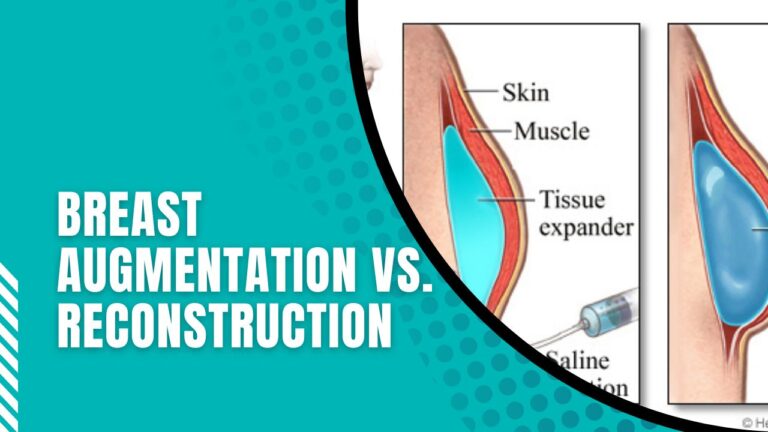
Before the final implant, certain individuals might additionally require a tissue expander. To get the skin and chest muscles ready for the permanent implant, this gadget gradually extends them.
Conclusion And Summary Of Types Of Breast Augmentation: Choosing The Right One
Breast augmentation offers various ways to achieve objectives, ranging from significant volume increases with implants to subtle enhancements with fat transfer. Regarding appearance, feel, and upkeep, each option, silicone, gummy, or saline breast implants, offers distinct advantages.
The secret to getting results that seem natural and comfortable is knowing how different implant kinds, forms, and insertion techniques differ from one another. Patients can design a plan that fits their anatomy, lifestyle, and long-term goals by consulting a board-certified plastic surgeon.
Breast Augmentation: See The Difference For Yourself
A board-certified plastic surgeon and the best breast implant surgeon in Dubai, Dr. Tarek, is here to assist you in achieving results that are elegant and natural-looking. Dr. Tarek is renowned for his proficiency in cutting-edge reconstructive and cosmetic surgery. Dr. Tarek has performed surgeries with an emphasis on producing refined, natural results, setting a new benchmark for perfection.
Dr. Tarek is dedicated to his patients and places a high value on individualized treatment, making sure each person is informed, at ease, and confident throughout their aesthetic journey.
Make an appointment for a virtual consultation if you’re a patient from outside the Dubai region or have a hectic schedule right now, to see the difference for yourself. Schedule an appointment for your individual consultation by calling or visiting Dr. Tarek.
FAQs
What Should I Expect In Terms Of Appearance Before And After The Breast Augmentation Procedure?
The breasts may have irregular forms or decreased volume before surgery. They usually seem larger and more balanced after surgery. The patient's body, the type of implant, and the procedure all affect the outcome.
What Should I Expect In Terms Of Appearance Before And After The Breast Augmentation Procedure?
The breasts may have irregular forms or decreased volume before surgery. They usually seem larger and more balanced after surgery. The patient's body, the type of implant, and the procedure all affect the outcome.
What Are The Potential Risks Involved In Undergoing Breast Augmentation Surgery?
Infection, hemorrhage, inadequate healing, and anesthesia-related responses are among the risks. Additionally, there is a risk of capsular contracture, which occurs when scar tissue hardens around the implant, or implant rupture. Regardless of the surgeon or location, these hazards are present.
How Does Breast Augmentation Differ From Getting Breast Implants?
The entire process of enlarging or improving the form of the breasts is called breast augmentation. Either fat transfer or implants can be used. Using silicone or saline devices is explicitly referred to as getting breast implants.
What Are The Main Types Of Breast Augmentation Procedures?
The three main kinds are fat transfer breast augmentation, breast implants (silicone or saline), and hybrid augmentation, which combines implants with fat grafting for a more natural appearance.
How Do Silicone And Saline Breast Implants Differ?
While saline implants enable volume adjustment and require a smaller incision, silicone implants feel more natural and are better suited for leaner individuals. Based on your anatomy and goals, the best breast surgeons in Dubai suggest the optimal course of action.
Who Is A Good Candidate For Fat Transfer Breast Augmentation?
Fat transfer is perfect for women who want to use their own body fat to achieve a natural, modest increase. Candidates should anticipate modest augmentation rather than significant volume improvements, and they must have adequate donor fat.
What Is Hybrid Breast Augmentation And Why Is It Popular?
Hybrid augmentation improves volume, shape, and cleavage by combining implants and fat grafting. Boob job surgery near me is a popular choice for well-balanced and personalized results since it provides both fullness and natural curves.
How Do I Choose The Right Type Of Breast Augmentation For My Body?
Your ideal size, body shape, tissue quality, lifestyle, and aesthetic goals will determine which procedure is best for you. A consultation with a licensed plastic surgeon aids in the development of a customized treatment strategy.