Understanding PRP injections Treatment in Dubai An In-depth Guide to Plasma Rich Therapy
The article “Understanding PRP Treatment: An In-depth Guide to Plasma Rich Therapy” offers a thorough explanation of platelet-rich plasma (PRP) therapy, a procedure that uses a patient’s own concentrated platelets to help heal a variety of musculoskeletal injuries. For injured tendons, ligaments, muscles, and joints, PRP injections in Dubai are especially useful in hastening the healing process. This blog also emphasizes how PRP treatment is versatile, as it may be used to cure male pattern baldness, promote wound healing, and improve the results of other cosmetic treatments. While guaranteeing the safety and adaptability of this method, the article highlights the transient nature of PRP therapy results and the possible requirement for further injections. Overall, this blog seeks to give a thorough overview of PRP therapy’s utilization in medical practice by examining its many uses and advantages.
What is PRP Treatment?
Definition of PRP Treatment
An injection of a concentrated amount of the patient’s own platelets is used in platelet-rich plasma (PRP) treatment in Dubai, a therapeutic method. By using the regenerative qualities of platelets present in the patient’s blood, this treatment seeks to improve the healing process of damaged tendons, ligaments, muscles, and joints. PRP therapy encourages general tissue repair and provides a promising remedy for musculoskeletal issues by utilizing the body’s inherent healing processes.
How PRP Treatment Works
PRP treatment in Dubai works by harnessing the power of platelets, which are important for blood clotting and commencing the healing process. To separate the platelet-rich plasma from other components, the patient’s blood is first extracted and then centrifuged. After that, undesirable materials are eliminated and growth factors are activated to prepare the concentrated platelets for injection. The platelets release growth factors that promote tissue regeneration, cell proliferation, and the modulation of inflammatory responses when they are delivered into the damaged area. This enhances the repair of damaged tissues and quickens the healing process.
Benefits of PRP Treatment
PRP treatment is a desirable alternative for individuals looking for better healing and recovery because it provides a number of advantages. First off, by using the patient’s own platelets, platelet rich plasma Dubai reduces the possibility of negative responses or rejection. Additionally, by not depending on outside drugs or chemicals, this therapeutic method lowers the risk of allergic reactions. Furthermore, PRP therapy promotes natural tissue regeneration and can be used with other treatments to increase their efficacy. It has demonstrated favorable results in a number of clinical applications and is a non-invasive treatment that eliminates the need for surgical procedures. A vampire facelift in Dubai rejuvenates your skin using your own platelets, helping restore firmness, glow, and youthful texture without surgery.
Book A Consultation With Dr Tarek Bayazid


Installment Plan Available
Applications of PRP Treatment
Wound Healing
Wound healing is one of the main uses of PRP therapy. Both acute and chronic wounds can heal more quickly thanks to platelets’ regenerative qualities. The growth factors that platelets release when PRP is injected into the wound site promote cell migration and proliferation, which improves tissue regeneration. This may lead to improved overall healing results, less scarring, and quicker wound closure.
Joint Injury
PRP injections for knee in Dubai have drawn a lot of interest in the treatment of joint conditions like tendinitis and osteoarthritis. PRP increases cartilage regeneration, lowers inflammation, and eases pain when injected into injured joints. In PRP therapy, platelets release growth factors that improve joint function and aid in the healing process. Because of this, PRP is becoming a more and more well-liked substitute for conventional treatments for joint ailments.
Male Pattern Baldness
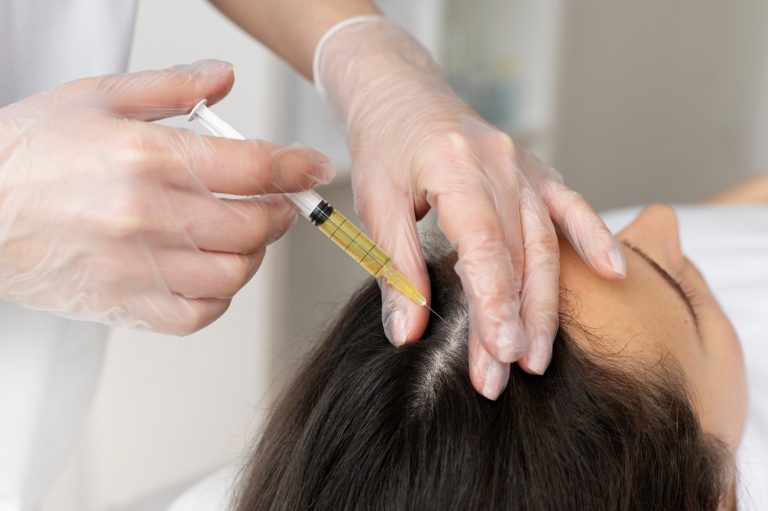
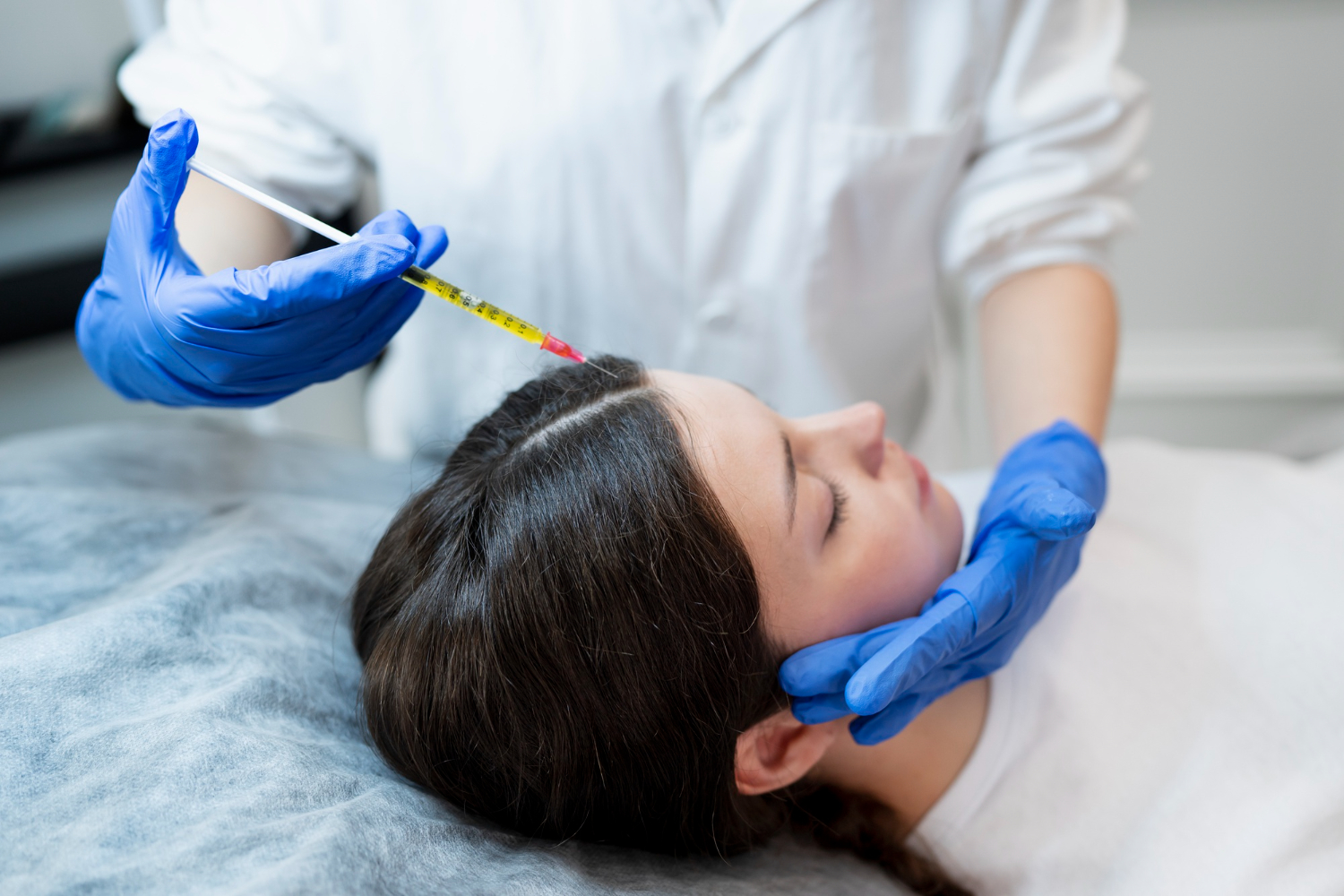
For those suffering from male pattern baldness, commonly referred to as androgenetic alopecia, PRP treatment has become a viable therapeutic alternative. The growth factors that platelets release when PRP is injected into the scalp stimulate hair follicles, increasing hair density and growth. Early research indicates that PRP treatment in Dubai may help slow down hair loss and enhance the appearance of thinning hair, while the precise mechanisms are still being investigated.
Hair Transplants
PRP treatment can potentially be utilized to improve patient outcomes and increase the success of hair transplant treatments. Growth factors can increase the survival percentage of transplanted hair follicles by injecting PRP into the recipient area both during and after the hair transplant process. Better hair transplant integration, more hair density, and possibly a quicker recovery result from this.
Cosmetic Procedures
PRP treatment is used in a number of cosmetic operations in addition to wound healing and hair regeneration. PRP injections in Dubai can improve skin tone and texture, revitalize the skin, and lessen the appearance of wrinkles and fine lines. Also prp under eyes Dubai improved by using PRP injections. PRP’s growth factors promote the synthesis of collagen, which results in skin that is firmer and looks healthier. Additionally, this treatment can be used in conjunction with other cosmetic treatments to improve their overall effectiveness.
Procedure of PRP Treatment
Initial Consultation
It is crucial to have an initial consultation with a trained healthcare provider prior to receiving PRP treatment. The medical practitioner will evaluate the patient’s medical history, perform a physical examination, and decide whether the patient is a good candidate for PRP treatment during this appointment. The healthcare provider will go over the patient’s particular requirements and expectations and provide a thorough explanation of the treatment, including any possible risks or complications.
Blood Collection
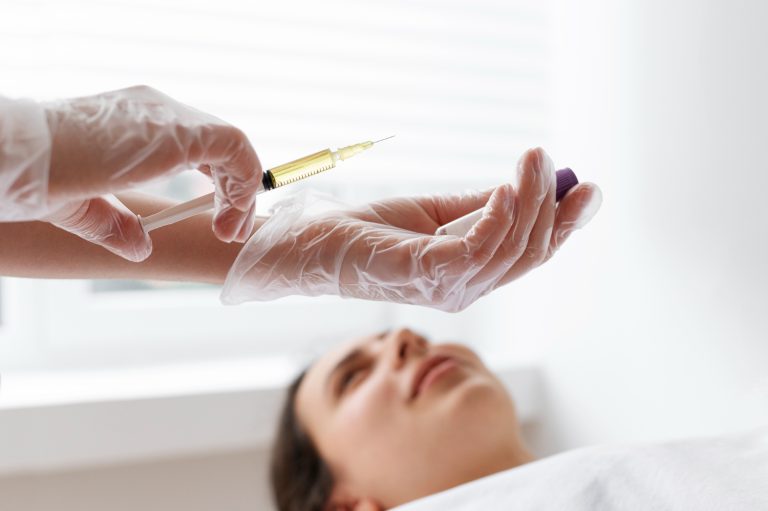
The patient’s blood must then be drawn when the decision to use PRP treatment has been made. The platelets for the PRP injection will come from this blood sample. Usually, a sterile needle and syringe are used to take blood from a vein in the patient’s arm. Depending on the intended platelet concentration and the treatment location, different amounts of blood may be drawn.
Centrifugation Process
Following collection, the blood is centrifuged to extract the platelet-rich plasma from the other components of the blood. The process of centrifugation entails rapidly spinning the blood sample so that the lighter, platelet-rich plasma gathers at the top and the heavier blood cells sink to the bottom. Platelets can be isolated and concentrated with this method, which is essential for the therapeutic benefits of PRP therapy.
Preparation of PRP
Once the platelet-rich plasma is separated, it goes through additional processing to make it suitable for injection. During this step, unwanted components such as red and white blood cells are removed to ensure a clean, high-quality platelet concentration. In some cases, PRP is activated with calcium chloride or another agent to trigger the release of growth factors. All preparation is done in a sterile, controlled environment to maintain safety and effectiveness.
Injection Technique
After PRP has been fully prepared, it is ready to be injected into the targeted area. The injection method may differ based on the condition being treated and the practitioner’s experience. Typically, PRP is gently injected into the affected tissues or joints using a fine needle. The healthcare provider decides the ideal injection points and depth according to the patient’s needs and treatment goals.
Post-Treatment Care
Once the PRP session is complete, patients are usually given specific aftercare instructions. These may include avoiding strenuous activities that might interfere with healing, applying ice or heat as recommended, and taking prescribed medications if needed. Following these guidelines is essential to support recovery and reduce the risk of complications.
Effectiveness and Results of PRP Treatment
Timeframe for Noticeable Results
The time it takes to see visible improvements from PRP therapy varies based on the treatment area and individual healing factors. In most cases, patients begin noticing gradual changes within a few weeks, though more significant results may take several months. For joint-related PRP injections, many patients report reduced pain and improved mobility within a few weeks. For hair restoration treatments, visible improvements—such as increased density and thicker strands—typically appear around the six-month mark.
Duration of Results
How long PRP results last also depends on the condition being treated and the patient’s unique biology. While PRP offers long-lasting benefits, it is not considered a permanent solution. Over time, the effects may gradually diminish, and maintenance treatments are often recommended. Whether used for wound repair, joint pain, or hair rejuvenation, PRP’s results tend to persist for months but may require touch-ups to sustain optimal outcomes. Your provider will monitor your progress and advise if follow-up sessions are needed.
Need for Additional Injections
Some patients may benefit from additional PRP injections to maintain or enhance the improvements achieved from their first session. The number of follow-up treatments required depends on the type of condition being treated, the individual’s healing response, and lifestyle influences. Dr. Tarek Bayazid will track your results closely and recommend further PRP sessions only when necessary to maximize treatment benefits.
Safety of PRP Treatment
Use of the Patient’s Own Tissues
A major benefit of PRP therapy is that it relies entirely on the patient’s own blood, which significantly lowers the risk of allergic reactions or rejection. Because the platelet-rich plasma is taken directly from the patient, there is no need for synthetic materials or foreign substances that might cause complications. This makes PRP a safe, natural, and highly compatible treatment choice for most individuals.
Minimal Risk of Rejection or Allergic Reaction
Since PRP is created from the patient’s own tissues, the body readily accepts it, resulting in a very low chance of adverse immune responses. This greatly reduces the risk of rejection or allergic reactions, making PRP suitable even for people who have sensitivities or allergies to outside medications or products.
Importance of Qualified Healthcare Professionals
To maximize both safety and results, PRP should always be performed by trained and experienced healthcare professionals. A qualified provider will evaluate your condition, determine whether PRP is appropriate, and create a personalized treatment plan. They will also guide you through every stage—from consultation to aftercare—ensuring optimal healing and minimizing potential complications.
PRP Treatment vs Other Treatments
Comparing Conventional Therapies
For a number of ailments, PRP treatment has a number of benefits over conventional therapies. Medication, physical therapy, and surgery are common components of traditional therapies, and each may have drawbacks or hazards. Instead of depending on outside drugs or intrusive procedures, PRP therapy encourages tissue regeneration and uses the body’s inherent healing processes. Because of this, PRP therapy may be a safer and more comprehensive way to treat some illnesses.
Benefits of PRP Therapy
Compared to alternative treatment alternatives, PRP therapy has a number of noteworthy advantages. First off, using the patient’s own tissues improves the treatment’s overall safety profile by lowering the possibility of rejection or unfavorable reactions. PRP injection treatment in Dubai supports natural healing by delivering growth factor-rich plasma to rejuvenate skin, joints, and hair. In addition to promoting natural tissue regeneration and healing, PRP treatment may produce better results than conventional therapies. Additionally, to increase their efficacy and encourage better outcomes, PRP can be utilized in combination with other procedures like hair transplants or cosmetic treatments.
PRP Treatment Limitations
Even while PRP therapy has a lot of potential, it’s crucial to understand its limitations. Individual variables, including the patient’s general health, the severity of the ailment being treated, and the patient’s reaction to the treatment, can affect how effective PRP treatment is. Additional sessions or maintenance injections can be required if some patients do not see the same degree of improvement. It is crucial to have reasonable expectations and speak with a trained healthcare provider about the possible advantages and restrictions of PRP treatment.
Risks and Side Effects of PRP Treatment
Possible Risks
PRP therapy is generally regarded as safe, however there may be some dangers involved. These dangers include bleeding, nerve damage, injection site infection, and tissue damage. However, there is very little chance of difficulties if the procedure is carried out in a sterile setting by a trained medical professional. Before receiving PRP treatment, patients should talk to their healthcare physician about any worries or possible hazards.
Common adverse consequences
PRP therapy frequently causes moderate, transient adverse effects. These could include redness, bruising, swelling, or soreness at the injection site. After therapy, these side effects usually go away in a few days to a week. Patients should report any unusual or protracted adverse effects and carefully adhere to their healthcare provider’s post-treatment care instructions.
Rare adverse effects
Although they are uncommon, reports of more serious or uncommon side effects linked to PRP treatment have surfaced. These include infections, blood clots, allergic responses, and harm to the nerves or blood vessels. Selecting a trained healthcare provider with experience in PRP treatment and adhering to all post-treatment care instructions are crucial to reducing the chance of these uncommon adverse effects.
Research and Studies on PRP Treatment
Scientific Evidence
A growing body of research has demonstrated the promising potential of PRP therapy across multiple medical and aesthetic applications. Numerous studies highlight PRP’s effectiveness in promoting wound healing, improving joint function, encouraging hair growth, and enhancing cosmetic results. Patients often report reduced pain, faster healing, improved tissue regeneration, and high satisfaction rates. While additional studies are needed to fully understand the long-term impact and underlying mechanisms, current scientific evidence strongly supports PRP as a valuable and versatile treatment option.
Clinical Trials
Clinical trials are essential for assessing the safety and effectiveness of PRP treatment. These studies by the best PRP clinic in Dubai help establish reliable data on treatment protocols, patient outcomes, and specific use cases. Over the years, many clinical trials have examined PRP’s benefits in orthopedics, dermatology, aesthetics, and regenerative medicine. By carefully monitoring patient responses and analyzing objective results, these trials offer meaningful insights into both the advantages and limitations of PRP therapy.
Ongoing Research
Scientists continue to explore new possibilities for PRP therapy through ongoing research. Current studies are focused on optimizing PRP formulations, determining the ideal platelet concentration, refining injection techniques, and discovering innovative applications. Plasma therapy Dubai provides a natural regenerative solution that promotes tissue repair, boosts collagen production, and enhances overall skin health. As this research progresses, it will help expand PRP’s clinical uses and further enhance treatment outcomes for patients.
Conclusion
A promising method of utilizing the body’s own healing processes for a variety of illnesses is platelet-rich plasma (PRP) therapy. PRP therapy can improve a number of cosmetic operations, address joint issues, promote hair restoration efforts, and speed up wound healing by leveraging the regenerative qualities of platelets. The patient’s own blood is drawn, centrifuged to separate the platelet-rich plasma, and then injected into the desired location. Get expert care from the best PRP treatment doctor in Dubai, specializing in safe, effective, and customized platelet-rich plasma procedures. Because the patient’s own tissues are used, PRP treatment is usually safe and well-tolerated, with little chance of rejection or allergic responses. Even though PRP treatment has demonstrated favorable results in clinical trials and studies, more investigation is still required to completely comprehend its mechanisms and effects. Overall, PRP treatment offers a viable therapeutic option for patients seeking enhanced healing and tissue regeneration. A platelet rich plasma facial near me offers a natural, minimally invasive option to improve skin tone, smoothness, and overall radiance.
FAQs
What are PRP injections in Dubai?
PRP injections use your own platelet-rich plasma to stimulate healing, boost collagen, and improve skin or hair naturally.
How long does PRP treatment take?
Most PRP sessions take 30–45 minutes, including blood draw, processing, and injections.
Are PRP injections painful?
Discomfort is minimal. Most patients feel light pressure, and numbing options are available.
How many PRP sessions do I need?
Typically, 3–4 sessions spaced a month apart are recommended for the best results.
Is PRP therapy safe?
Yes. PRP is very safe because it uses your own blood, reducing the risk of allergic reactions or rejection.