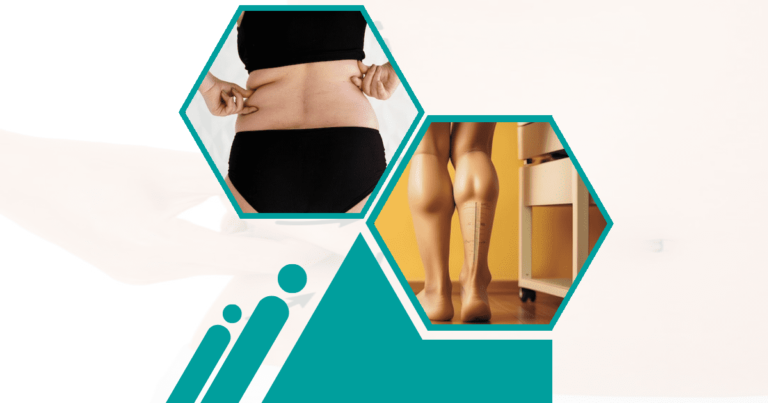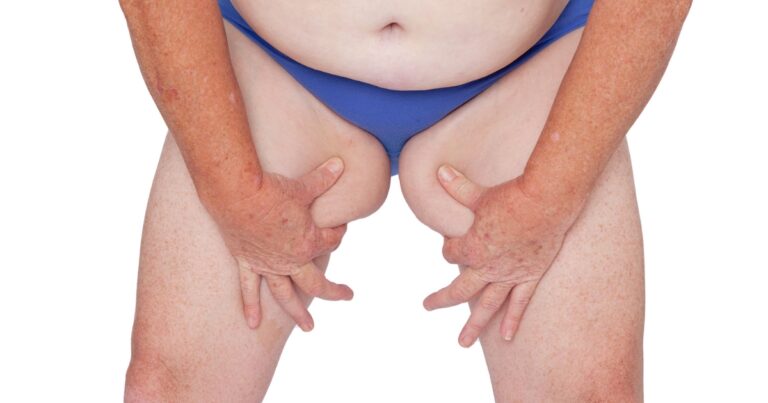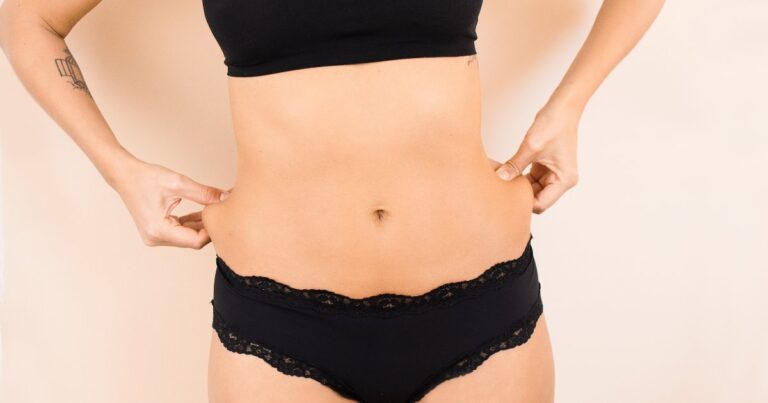
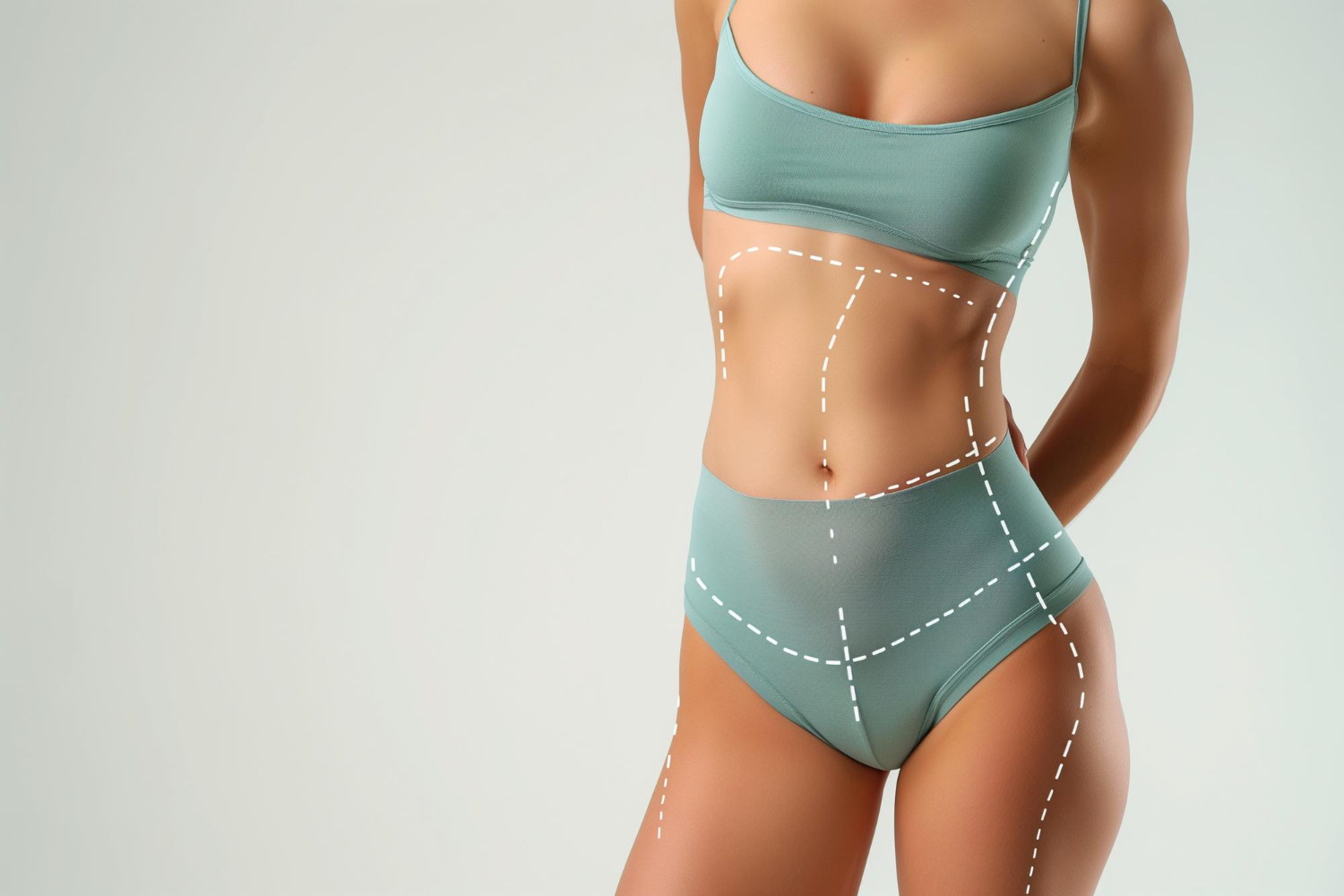
Women’s liposuction is a cosmetic technique used to eliminate fat that is difficult to lose with diet and exercise. In order to improve body shape, liposuction in Dubai targets body fat.
Other names for it are lipoplasty, liposculpture suction, lipectomy, and lipo. In order to modify their shape for aesthetic purposes, a plastic or dermatologic surgeon typically performs the treatment on the hips, belly, thighs, buttocks, back, arms, and under the chin or face. However, liposuction can also be combined with other plastic surgery procedures, such as stomach tucks, breast reductions, and facelifts.
Complete Guide to Body Contouring and Liposuction for Women
Female body liposuction in Dubai has become an increasingly popular option among women looking to contour and enhance their body shape. Below is a detailed overview of what female liposuction involves:
- Candidates: Ideal candidates for liposuction are women who are within about 30% of their ideal body weight and have good skin elasticity. Those who struggle with stubborn fat deposits in certain areas—despite maintaining a healthy lifestyle—are often excellent candidates. Additionally, overall good health is crucial to lower the risk of complications during and after the procedure.
- Consultation: Before proceeding with surgery, a thorough consultation with a board-certified plastic surgeon is essential. This session covers your aesthetic goals, medical history, and expectations. The surgeon will also conduct a physical examination to evaluate your general health and detect any underlying issues that may affect the surgery.
- Procedure: Liposuction is performed under general anesthesia or local anesthesia with sedation. Tiny incisions are made in the targeted areas, and a cannula is inserted to break up and remove unwanted fat. The technique and approach may vary depending on the treatment areas and the surgeon’s expertise.
- Recovery: Recovery times differ from person to person, but most women can resume work and light activities within a week. Common post-surgery effects include bruising, swelling, and mild discomfort. Wearing compression garments and taking prescribed pain medications help manage these symptoms.
- Results: Although some improvement can be seen immediately after the procedure, final results become noticeable over several months as swelling diminishes. Maintaining a balanced diet and regular exercise is essential to preserve the outcome long-term.
- Risks: As with any surgical procedure, liposuction carries certain risks such as bleeding, infection, and uneven skin contours. Adhering strictly to your surgeon’s pre- and post-operative instructions greatly reduces these risks.
- Aftercare: Proper aftercare plays a key role in achieving optimal results and a smooth recovery. This includes consistent use of compression garments, avoiding strenuous activities for the recommended period, and attending all follow-up appointments with your surgeon.
Types of Liposuction Surgery
Liposuction surgery has significantly advanced over the years, offering multiple techniques designed to target specific body areas and meet individual aesthetic needs. Below are some of the most widely used types of liposuction Dubai performed today:
Book A Consultation With Dr Tarek Bayazid
Top-rated Plastic Surgeon For Liposuction in Dubai


Installment Plan Available
Tumescent Liposuction
This is the most commonly used liposuction technique. A special solution containing saline (saltwater), lidocaine (a local anesthetic), and epinephrine (a vasoconstrictor) is injected into the treatment area. This fluid helps loosen fat for easier removal, reduces blood loss, and provides localized numbness throughout the procedure.
Ultrasound-Assisted Liposuction (UAL)
UAL uses ultrasonic energy to break down fat cells before they are suctioned out. Because of its ability to target dense or fibrous tissues, it is frequently used on areas such as the male chest, back, and upper torso.
Power-Assisted Liposuction (PAL)
In this method, a motorized cannula rapidly moves back and forth, helping to dislodge fat with less effort. PAL is often preferred when treating large areas or when removing significant fat volumes, as it increases precision and reduces surgeon fatigue.
Laser Liposuction
This technique liquefies fat using low-energy laser waves before suction begins. It is particularly effective for smaller or more delicate areas such as the face, jawline, or neck. An added benefit is mild skin tightening due to the laser’s thermal effect.
Laser-Assisted Liposuction (LAL)
Laser-assisted liposuction relies on focused laser energy to melt fat, making extraction smoother and more controlled. It is ideal for treating small, localized pockets of fat—especially around the chin, cheeks, and jowls. The laser also triggers collagen production, which may help reduce skin laxity after the procedure.
Water Jet–Assisted Liposuction (WAL)
Also known as Body-Jet liposuction, WAL uses a controlled fan-shaped water jet to gently loosen fat cells before suctioning. This fat removal Dubai is commonly used for denser or more sensitive areas such as the back, flanks, and male chest, and is known for preserving surrounding tissues.
Radiofrequency-Assisted Lipolysis (RFAL)
RFAL uses radiofrequency energy to heat fat, allowing it to liquefy before being removed. A small internal probe delivers thermal energy beneath the skin’s surface, producing both fat reduction and noticeable skin tightening. This method is especially useful for patients with mild to moderate skin laxity.
The selection of the appropriate liposuction Dubai technique depends on several factors, including the size of the treatment area, the amount of fat, skin quality, and the surgeon’s expertise and preferred methods. Each technique offers unique benefits, making it possible to tailor the procedure to each patient’s goals and body type.
Potential Risks of Liposuction for Women
Although best liposuction in Dubai is typically a safe procedure that offers a satisfactory solution for cosmetic concerns, women should be aware of the potential for negative effects prior to having the procedure. Belly fat removal in Dubai helps target stubborn abdominal fat through advanced treatments designed to shape the midsection and create a slimmer, more defined waistline. The following are some possible dangers connected to female liposuction:
- Infection: The incision sites and the treated areas may get infected, just like with any other surgical procedure. The risk can be reduced by proper wound care and following post-operative instructions. Attending follow-up appointments is also essential for tracking healing.
- Bleeding: This occurs during or after liposuction procedure and may result in hematomas (blood clots) or necessitate transfusion in severe cases. Medications like epinephrine are used to contract blood vessels and minimize blood loss during the procedure.
- Numbness or Nerve Damage: During surgery, nerves may come into contact with a cannula, resulting in either temporary or permanent numbness in the affected area.
- Skin irregularities: As a result of excessive fat extraction through liposuction, areas with low skin elasticity, among other things, may develop uneven skin contours, dimpling, or waviness on specific areas.
- Formation of Seroma: Following liposuction surgery in Dubai, a seroma may develop beneath the skin, which could be uncomfortable and inflammatory.
- Anesthesia Risks: Anesthesia itself carries some risks, such as negative reactions or consequences, just like any other anesthetic surgery.
- Even though liposuctions only require small incisions, they can leave noticeable scars, particularly in people who are prone to hypertrophic or keloidal scarring.
- Internal Organ Damage: Occasionally, the liposuction cannula may inadvertently pierce any nearby organs, such as the intestines or other abdominal tissues, resulting in harm.
- Deep Vein Thrombosis (DVT): If left untreated, liposuction increases the risk of developing blood clots in the legs, which can be lethal.
- Unsatisfactory Results: Despite greatest efforts by surgeons, some women could feel disappointed with outcomes of liposuctions either due to misconceptions or unforeseen occurrences.
Women who are thinking about getting liposuction should have a thorough consultation with a board-certified plastic surgeon and the best liposuction surgeon in Dubai. This will enable them to discuss risks and help them understand how to prevent complications. To guarantee a safe surgery, it is also crucial to discuss any current medical issues, such as diabetes or coronary artery disease.
Fast facts on liposuction
- The procedure is typically done under anesthesia.
- It’s important to note that liposuction is not meant for weight loss; rather it’s a treatment that offers enhancements.
- Potential risks involve infections and scarring.
- Additionally liposuction can be utilized to address issues.
- Liposuction is not a weight loss method but a body contouring procedure designed to remove fat from specific areas.
Right Candidate for Liposuction Surgery
Areas of excess fat that cannot be successfully eliminated by diet or exercise can be removed using liposuction, a cosmetic surgery procedure. It isn’t a weight-loss strategy, though. This person is a good candidate for liposuction:
- Weight Near Ideal: You ought to weigh no more than 30% of your optimum weight. Sustaining a stable weight and sufficient muscle tone is essential for achieving and sustaining the intended outcomes because liposuction sculpts rather than shrinks.
- Flexible Skin: Skin elasticity increases the likelihood that liposuction will be successful. This allows your skin to adjust to your new shape and appearance following fat reduction.
- Reasonable Objectives: Liposuction is not a panacea. Although it can contour your body, it won’t completely remove cellulite or significantly alter the shape of your body, despite what you may believe. It is much easier to modify expectations when one is aware of what a lipectomy will and won’t accomplish. It works especially well to target fat that is difficult to lose with diet and exercise.
- Good General Health: There shouldn’t be any health issues that could raise your risk of surgery. It is important to be in good health before having liposuction surgery because several medical issues can make the process more difficult.
- Non-Smoker: Smoking raises the risk of problems and hinders healing. Are You Prepared to Modify Your Way of Life? For liposuction results to last a lifetime, a proper diet and exercise routine are essential. Maintaining outcomes after liposuction requires a nutritious diet.
If you’re thinking about getting liposuction, discuss your goals with a DHA-licensed board-certified plastic surgeon in Dubai so they can determine whether you’re a good candidate. Lipo in Dubai offers a modern approach to fat reduction, using safe and effective techniques to eliminate unwanted fat and enhance your body contours with long-lasting results.
What should you do if you want to have liposuction?
The focus of this process is aesthetics. It is deemed vital for Dr. Tarek Aesthetics to participate in this practice. Because there is such a high demand, several surgeons claim to be active in this field as well. Before having surgery, patients should learn more about the surgeon’s area of expertise. To guarantee the finest results, it is essential to select a surgeon who specializes in aesthetic surgery.
Optimal recovery and satisfaction are guaranteed from consultation to postoperative aftercare thanks to the surgical team’s comprehensive patient care, which includes a medical team and a dedicated patient care coordinator. Body sculpting in Dubai provides customized aesthetic treatments that reshape and refine the body, helping patients achieve smoother curves and a toned, balanced physique.
Liposuction Surgery Cost for Women
The cost of liposuction for women is not fixed, as it can vary significantly based on several important factors. These elements influence the final price and help determine the overall expense of the procedure. Some of the key cost determinants include:
- Experience and Qualifications of the Surgeon: Highly experienced, board-certified plastic surgeons generally charge more than practitioners with limited expertise. Their advanced training, precision, and reputation for delivering safe and effective results often justify higher fees.
- Location of the Clinic: The geographical location of the clinic also plays a major role in pricing. Cities or regions where the cost of living is high typically have higher medical and facility fees, which directly impact the total amount a patient pays for the procedure.
- Extent of the Procedure: The overall cost increases with the complexity and size of the treatment. The amount of fat being removed and the number of body areas targeted—such as the abdomen, thighs, arms, or back—can significantly influence the final fee. Larger treatment areas require more time, expertise, and resources.
- Anesthesia Fees: Anesthesia is a crucial component of liposuction, and its cost depends on whether the procedure uses local or general anesthesia. General anesthesia is typically more expensive due to the need for an anesthesiologist and advanced monitoring equipment.
- Facility Fees (Hospital or Surgical Center): Most surgical procedures come with additional facility fees. These may include charges for operating room use, nursing care, medical equipment, and post-operative monitoring. Clinics, surgical centers, and hospitals all have varying fee structures.
- Treated Body Area: Different areas of the body require different liposuction techniques, timeframes, and levels of precision. As a result, areas that are more challenging or require advanced methods may cost more. For example, liposuction of the abdomen may be priced differently than liposuction of the chin, arms, or thighs.
Because liposuction is generally classified as a cosmetic treatment, it is usually not covered by insurance. However, in rare cases where the procedure is performed for medical reasons—such as reducing pain or swelling caused by conditions like lymphedema—insurance coverage may be possible.
Conclusion
For ladies who want to fulfill their wishes and improve their body shape, liposuction is a possibility. When thinking about this treatment, it’s crucial to commit to a lifestyle and have a thorough understanding of the process and expectations. Making a decision will be made easier if you are aware of the qualifying requirements, the procedure itself, the recovery duration, any hazards, and related expenses. Remember that speaking with a board-certified plastic surgeon is the first step to achieving your liposuction objectives.
Are you ready to go? Set up a consultation with a local board-certified plastic surgeon. They can discuss your goals, assess your suitability for the process, and answer any questions you may have. The majority of patients have comparable queries and worries that can be resolved during the meeting. With their help, you can decide whether liposuction is right for you and create a customized plan to get the results you want.
FAQs
Which body parts are suitable for liposuction?
The stomach, thighs, buttocks, arms, back, chin, and neck are frequently treated with liposuction. It works well for targeting localized fat that doesn't go away with diet and exercise.
Does Liposuction Surgery Involve Anesthesia?
Anesthesia or intravenous sedation in conjunction with anesthesia is typically used during liposuction procedures. While local anesthetic combined with sedative numbs the treatment region for comfort and relaxation, general anesthesia puts the patient to sleep.
What to anticipate prior to having liposuction surgery?
You will discuss your goals, your health, and your desires with the doctor before receiving liposuction. The physician will determine your suitability for this procedure and describe its operation. Additionally, they will provide you with tasks beforehand.
Are the effects of liposuction permanent?
Long-lasting liposuction results are possible if you continue to lead a healthy lifestyle and keep a stable weight following the treatment. Pregnancy or big weight swings, however, may have an impact on the outcome because the residual fat cells may enlarge or contract.
Which regions are appropriate for liposuction?
It works best on areas like handles, side bags, or a double chin that have fat that won't go away with diet and exercise. It's not for weight loss; it's for sculpting.
How much weight can be removed by liposuction?
It's for body contouring rather than weight loss. It's not the same for everyone, but you might lose some. It's typically only a couple pounds at most.
After liposuction, will there be any scars?
A few little cuts—typically less than half an inch—are required for this. You may therefore have some minor, fading markings that aren't very noticeable.
Are the outcomes of liposuction instantaneous?
The whole changes may take several months to manifest, but you may see some. The new shape may first be obscured by swelling and bruises, but they will eventually go away.
Can a pregnant woman have surgery?
If you are expecting a child, this is not safe. Both you and the unborn child are at danger from the medications and the procedure. It's preferable to put this off until after you've had and fed a baby.