Botox is a treatment loved by millions of happy patients and has become a cornerstone of facial rejuvenation routines worldwide, yet it continues to be surrounded by many unfair myths and stereotypes. For those already embracing Botox in Dubai, it’s hard to imagine looking in the mirror without appreciating its wrinkle-smoothing benefits. For those who are unfamiliar with it, Botox is often wrongly associated with vanity or an unnatural, “plastic” appearance. Despite the fact that Botox has been safely used for a wide range of medical purposes since the 1970s and for cosmetic purposes for over 15 years, some people still mistakenly believe it to be a toxin. Additionally, much of the language linked to Botox can feel overwhelming to newcomers, with terms such as “glabella,” “units,” and “rhytids” adding to the confusion.
Because Botox is a fundamental part of my non-surgical aesthetic practice and my patients consistently rave about their results, I want to clearly explain the full story of Best Botox Dubai—its origins, the conditions it treats, the advantages it offers, and what you can realistically expect during and after your treatment.
Botox was initially introduced in the 1970s as a treatment for strabismus, a condition involving misaligned eye muscles, and later gained FDA approval in 1989 for this use as well as for managing eyelid spasms. Over time, ophthalmologists observed that patients receiving Botox also showed noticeable improvement in their frown lines. During the 1990s, dermatologists and plastic surgeons began using Botox “off-label” to reduce wrinkles, and in 2002 it ultimately received FDA approval for its first cosmetic use—treating glabellar rhytids, commonly known as frown lines.
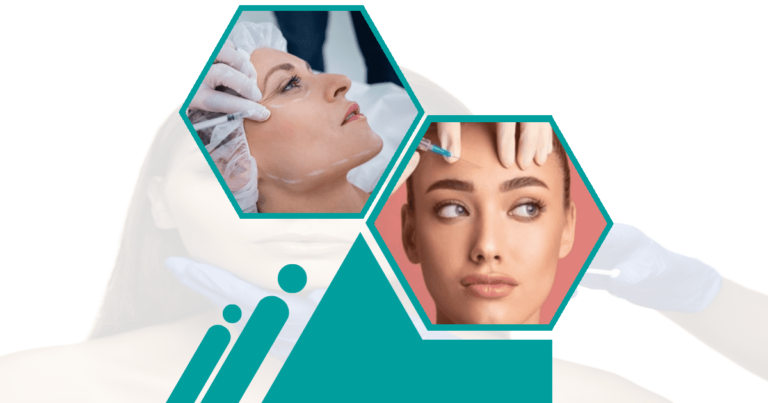
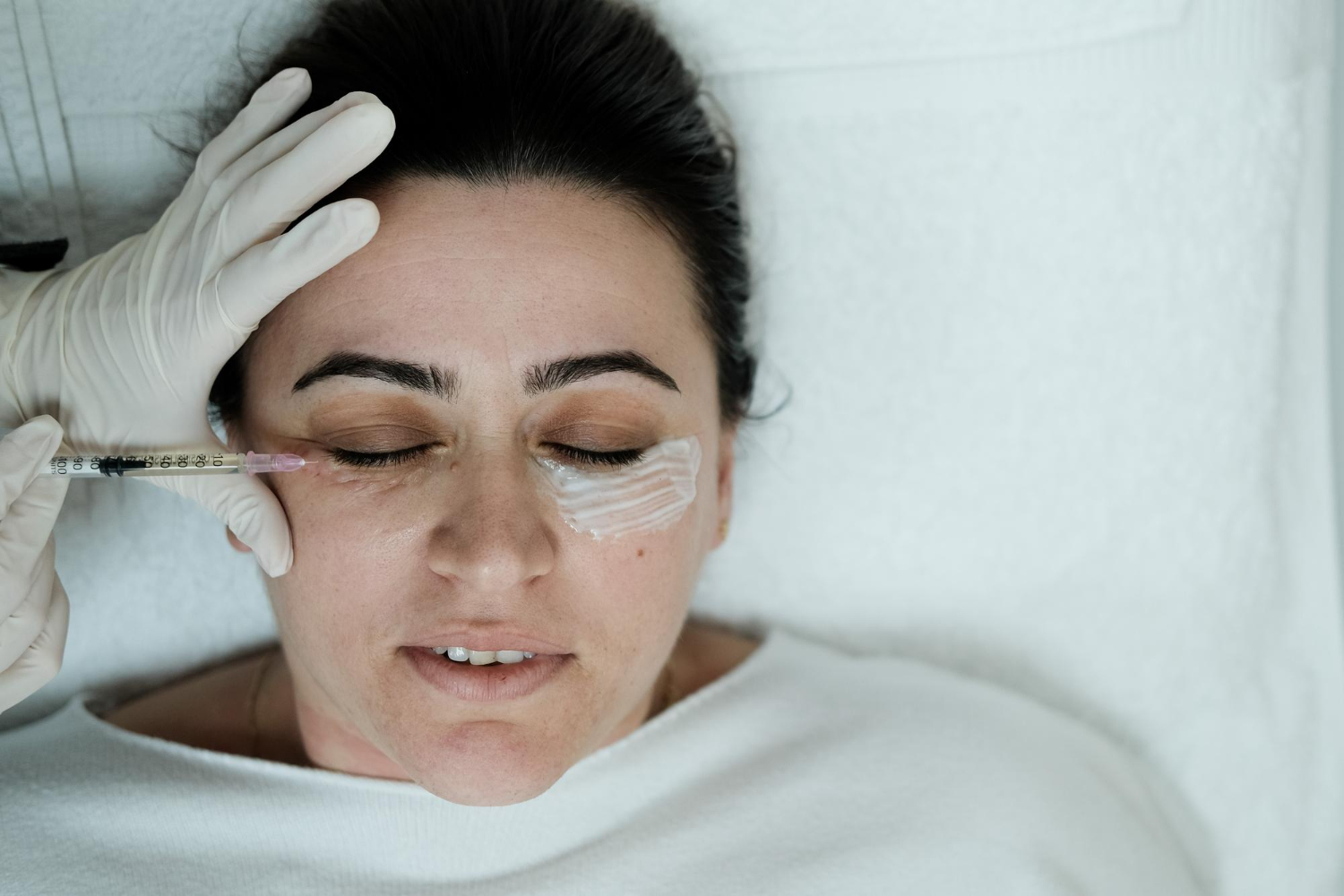
Botox functions by temporarily relaxing targeted muscles. On a cellular level, it acts at the neuron by blocking the release of a neurotransmitter at the point where the nerve connects to the muscle. The procedure itself is performed in the Botox clinic Dubai and involves minimal to no discomfort. Most appointments are quick, usually lasting 15 minutes or less. The effects of Botox typically begin to appear within one week, and in the majority of patients, results remain visible for about three to four months.
Book A Consultation With Dr Tarek Bayazid
Top-rated Plastic Surgeon For Botox in Dubai


Installment Plan Available
For cosmetic purposes, Botox Dubai is FDA approved for treating glabellar lines and crow’s feet, with FDA approval for forehead lines expected in the near future. It is also widely used off label in several other areas, including bunny lines on the nose, platysmal bands in the neck, dynamic lip lines, and the DAO muscles that pull down the corners of the mouth. Additional aesthetic and functional benefits may be achieved when Botox is injected into the chewing muscles, such as the masseters and temporalis muscles. Beyond cosmetic applications, Botox is also an effective treatment for excessive sweating (hyperhidrosis) and chronic migraines.
What age should I start doing Botox?
Cosmetic treatments should always be tailored to the individual. Not every patient requires a rhinoplasty or a facelift, but nearly everyone can benefit from Botox. Some individuals start addressing potential concern areas in their 20s, often using lower doses—a strategy commonly known as “baby Botox.” When used at a younger age, Botox offers a “pre-juvenation” effect, combining both prevention and rejuvenation. By relaxing the muscle groups responsible for frown lines, crow’s feet, and forehead lines before they become permanently etched into the skin, Botox can help prevent and slow the development of these unwanted wrinkles.
Patients in their 30s typically begin incorporating Botox into their regular beauty maintenance routine, while those in their 40s through 60s represent the largest group receiving ongoing Botox treatment Dubai in Dr. Tarek’s practice.
How often should I do Botox?
In most patients, the effects of Botox typically last between three and four months. As with any medication, there is a bell-curve response—some individuals may notice their results fading after about two months, while others continue to see benefits for four to five months. There is also a clear dose-response relationship, meaning that achieving full correction with the appropriate number of units recommended by your injector will result in longer-lasting outcomes. Conversely, attempting to reduce treatment by using fewer units and under-treating the area may lead to shorter-lived results.
Will Botox make my wrinkles worse?
Botox does not cause wrinkles to worsen over time. When the effects of Botox fade, patients simply observe a gradual reappearance of their natural wrinkles. Long-term, consistent use of Botox over many years has not been shown to have any harmful effects or to contribute to the worsening of facial wrinkles.
What are common side effects from Botox?
Botox is associated with very well-tolerated side effects. On occasion, patients may develop a small bruise at one of the injection sites. This is more common in individuals who take blood-thinning medications such as aspirin, fish oil, certain supplements, or anti-inflammatory drugs, as well as in those who have recently consumed red wine. Avoiding these substances for at least seven to ten days prior to treatment can significantly reduce the likelihood of bruising. If a bruise does occur, it is usually minor and can be easily concealed with makeup.
In rare cases, patients may experience a mild headache following treatment. Applying ice after the procedure and using Tylenol can help alleviate this discomfort. Other systemic side effects, including nausea, general malaise, or fatigue, have not been reported by any of Dr. Tarek’s patients.
How much does Botox cost?
Botox pricing can be confusing for many patients. Some injectors charge by treatment area or zone, such as a flat fee for the forehead or crow’s feet, while other practices price treatments by syringe. The most common and transparent method, however, is charging based on the number of units used. The total units required vary depending on several factors, including the size and strength of the muscle groups being treated, the height and width of the forehead, and the specific areas the patient wishes to address. Smaller, less active muscles typically need fewer units, whereas larger, stronger muscles require more.
For instance, when treating a “gummy smile,” only about 2–4 units of Botox may be needed in the muscles that elevate the upper lip. In contrast, patients with a strong corrugator muscle between the eyebrows—the muscle responsible for the “11” lines—may require 25–30 units in that area alone. The muscles that pull down the corners of the mouth usually need just 3–5 units on each side. Crow’s feet commonly require 10–12 units per side for full correction. Forehead treatment needs can vary widely, ranging from as few as 4 units in some patients to as many as 20 units in others.
As you can see, there is no universal formula for delivering an ideal Botox treatment. There is no standard unit count that applies to every patient. During your consultation, we will review your concerns and discuss your treatment goals in detail. The number of units Dr. Tarek recommends will always be customized to your facial anatomy, preferences, and expectations. Since many patients like to have a general estimate, Dr. Tarek can share that the average patient in his practice typically receives around 40–50 units of Botox to fully address their areas of concern.
Can I exercise after Botox?
Physicians often have differing viewpoints when it comes to exercising after Botox. There are two primary concerns. First, increasing your heart rate and blood pressure following treatment may boost blood flow to the face, which could potentially lead to unwanted swelling or bruising. Second, the facial movements and physical activity involved in working out might encourage Best Botox in Dubai to migrate to unintended areas of the face, potentially causing undesired side effects or altering the intended treatment outcome.
In Dr. Tarek’s practice, he does not impose any exercise restrictions on his patients. However, whenever possible, he advises them to complete their workout earlier in the day before coming in for their Botox treatment.
Can Botox be done at the same time as fillers, peels, or lasers?
Botox is commonly performed alongside dermal fillers and skin resurfacing treatments such as lasers and chemical peels. When a patient is scheduled for a facial, they typically see Dr. Tarek’s aesthetician first, followed by their Botox treatment in Dubai with Dr. Tarek.
Patients who choose fillers to restore volume to the cheeks, address under-eye hollows, enhance the lips, or improve other areas almost always combine these treatments with Botox to achieve a more harmonious and complete rejuvenation. Research has also demonstrated that Botox may help extend the longevity of fillers in certain areas by reducing repetitive muscle movements that could otherwise displace the filler or increase its breakdown.
In Dr. Tarek’s practice, he frequently combines Botox with fractional laser treatments or chemical peels. Dr. Tarek also offers Botox during surgical procedures—such as facelifts or rhinoplasty—for patients who wish to incorporate it into their overall treatment plan.
Will Botox prevent me from needing surgery down the road?
Botox injection Dubai is an excellent option for achieving a refreshed appearance without any downtime. Over time, however, the wrinkle-smoothing benefits of Botox alone may not fully address other age-related changes that are often better treated surgically. Incorporating regular Botox sessions with periodic filler treatments can frequently delay the need for more invasive procedures. Eventually, as the skin and underlying soft tissues begin to sag, surgical options such as a facelift, brow lift, or eyelid surgery may still be advantageous.
Is Botox dangerous?
Botox has been safely used for decades by millions of patients worldwide. When administered correctly by trained professionals, it is highly safe and associated with very few potential side effects.
Is Botox a poison?
Botox is a medication that produces physiological effects similar to a toxin naturally produced by the bacterium Clostridium botulinum. When administered in a controlled and prescribed manner, however, it is not considered a poison.
Am I too old for Botox?
There is no specific age at which Botox stops being effective. Instead of age, a person’s individual anatomy and treatment goals determine whether Botox is appropriate. In Dr. Tarek’s practice, many patients in their 70s continue to enjoy the benefits of Botox, and Dr. Tarek even treats select patients in their 80s with excellent results.
Will I bruise from Botox?
A standard Botox treatment consists of multiple injections into the skin using very fine 32-gauge needles. While significant bruising is uncommon, patients may occasionally develop a small bruise at an injection site, which is typically minor and easily concealed with makeup. To reduce the risk of bruising, we advise patients to avoid fish oil, aspirin, ibuprofen, and other blood-thinning medications for about 10 days prior to their treatment. Additionally, we apply ice before, during, and after the procedure, which further helps minimize any bruising.
Does Botox hurt?
Most patients experience minimal discomfort during Botox treatments. For those who are more sensitive to pain, we can apply a numbing cream to make the procedure even more comfortable and tolerable.
What if I don’t like the way Botox makes me look?
Having treated thousands of patients with Botox, Dr. Tarek can confidently say that very few—easily counted on one hand—did not absolutely love their results. Some patients experience a short adjustment period as they get used to seeing their face without wrinkles. And if, for any reason, you’re not completely satisfied, the effects of Botox naturally wear off after a few months.
Who should I go to for my Botox treatment?
Botox has become so widely performed that it’s available in many settings, including medical spas, dermatology offices, general practices in Best Botox clinic in Dubai, dental offices, and more. To achieve the best possible results, a deep understanding of facial anatomy, the mechanisms of facial aging, and mastery of various facial rejuvenation techniques is essential. While many providers can deliver excellent outcomes, Dr. Tarek’s extensive education and training, detailed knowledge of facial anatomy, surgical expertise in the face and neck, and dual Board Certification as a Facial Plastic and Reconstructive Surgeon make him particularly well-qualified to provide Botox and other advanced facial aesthetic treatments.
Do men do Botox?
Men are excellent candidates for Botox—or as we sometimes call it, “Bro-tox.” When treating male patients, the primary goal is usually to soften deep lines in the glabella and forehead, as well as smooth crow’s feet. Most men prefer to retain some natural facial movement rather than achieve a completely “frozen” look. Because male facial muscles tend to be larger and more active, men often require higher doses of Botox compared to women. It’s not uncommon for male patients to receive 50–70 units and still maintain a natural, expressive appearance.
Where is the most common area to treat with Botox?
When most people think about getting Botox for the first time, they often focus on the frown lines between the eyebrows—commonly called the “11s,” which anatomically are part of the glabella. Horizontal lines across the forehead and the fine lines at the corners of the eyes, known as crow’s feet, are also frequently treated. While each area can be treated individually, Dr. Tarek generally recommends addressing the glabella, forehead, and crow’s feet together to create a more balanced and natural overall appearance.
Can Botox be used to lift and shape my brows?
There are two opposing muscle groups in the forehead and around the eyes: some muscles lift the brows, while others pull them downward. By strategically injecting Botox into specific points within these different muscle groups, Dr. Tarek can create a subtle lift—often called a “chemical brow lift” or non-surgical brow lift—helping patients achieve a more refreshed and well-rested appearance.
In addition to Botox, what other non-surgical treatments should I consider?
Fillers are used to give areas of the face that have lost their volume. Botox smooths out the skin and smooths out fine lines. In Dr. Tarek’s practice, Volbella is the most popular filler for subtle lip enhancement and smoothing out lines around the mouth. Voluma is used to give the cheeks and temples more shape and volume, and Vollure is used to smooth out deep lines and folds around the mouth and in the lips to get the perfect pout. Kybella is a non-surgical way to get rid of fat under the chin, which makes the neck and jawline look better.
FAQs
Which areas can be treated with Botox?
Botox is commonly used for glabellar lines (frown lines), forehead wrinkles, and crow’s feet. It is also used off-label for areas like bunny lines on the nose, lip lines, neck bands, and even for medical conditions such as excessive sweating and migraines.
How long do Botox results last?
Results usually become noticeable within a week and typically last 3–4 months. The duration can vary depending on factors such as muscle strength, the number of units used, and individual metabolism.
Is Botox safe, and are there side effects?
When administered by a trained professional, Botox is very safe. Side effects are generally mild and temporary, including small bruises at injection sites or occasional mild headaches. Serious complications are extremely rare.
Can men get Botox too?
Absolutely. Botox, often called “Bro-tox” for men, is effective for softening deep lines while maintaining natural facial movement. Men may require slightly higher doses due to larger and stronger facial muscles.