
Rhinoplasty, often known as a “nose job Dubai,” ranks among the most sought-after cosmetic surgeries across the globe. Whether your interest in rhinoplasty in Dubai stems from aesthetic desires or the need for functional enhancements, it is crucial to have a thorough understanding of the procedure, recovery process, potential risks, and benefits before deciding to undergo surgery.
In this comprehensive blog, we’ll cover:
- What rhinoplasty is
- Different types of rhinoplasty
- The ideal candidate
- The procedure
- Recovery timeline
- Risks and complications
- Expected results
What Is Rhinoplasty?
Rhinoplasty is a surgical procedure designed to reshape, resize, or reconstruct the nose reshaping in Dubai. This procedure can be performed for cosmetic purposes, like refining the nasal tip or minimizing a dorsal hump, or for functional reasons, such as addressing breathing difficulties caused by a deviated septum.
Types of Rhinoplasty
Depending on the patient’s needs and goals, there are different types of rhinoplasty Dubai:
Book A Consultation With Dr Tarek Bayazid
Top-rated Plastic Surgeon For Rhinoplasty in Dubai

Installment Plan Available
1. Cosmetic Rhinoplasty
This type of rhinoplasty concentrates on improving the nose’s aesthetic appearance by addressing issues such as:
- Nasal asymmetry
- Dorsal hump (a bump on the bridge)
- Wide or flared nostrils
- Drooping or upturned nasal tip
2. Functional Rhinoplasty
This type of rhinoplasty in Dubai is performed to enhance breathing and address structural concerns, including:
- Deviated septum (septoplasty)
- Nasal valve collapse
- Enlarged turbinates
3. Revision Rhinoplasty
This treatment fixes problems that came up after a previous nose surgery, whether they were cosmetic or functional. It is also called the secondary best rhinoplasty Dubai. It might be harder to do because of scar tissue and changes in the shape of the nose.
4. Non-Surgical Rhinoplasty (Liquid Rhinoplasty)
If you only want to make small changes, dermal fillers can quickly change the shape of your nose without surgery. The effects last for about 6 to 12 months, though.
Who Is a Good Candidate for Rhinoplasty?
You could be an ideal candidate if you:
- Are in good overall health
- Have realistic expectations about the results
- Are at least 16–18 years old, when nasal growth is typically complete
- Experience breathing difficulties or have cosmetic concerns
- Are a non-smoker or willing to stop smoking prior to surgery
The Rhinoplasty Procedure
1. Consultation
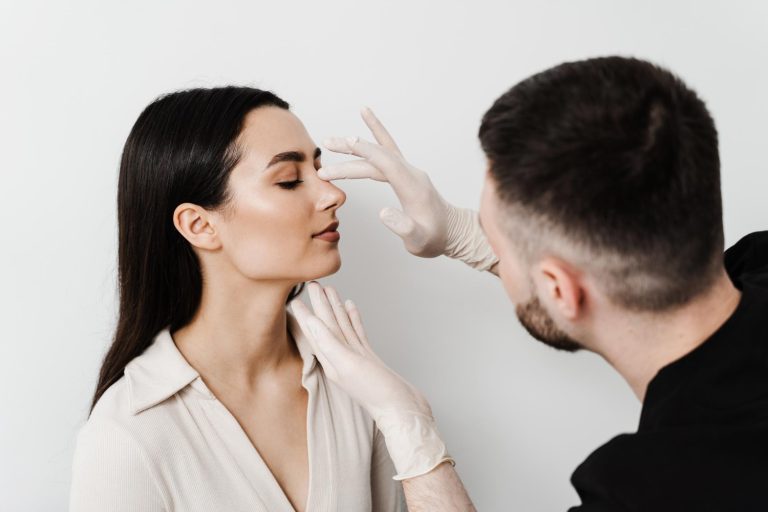
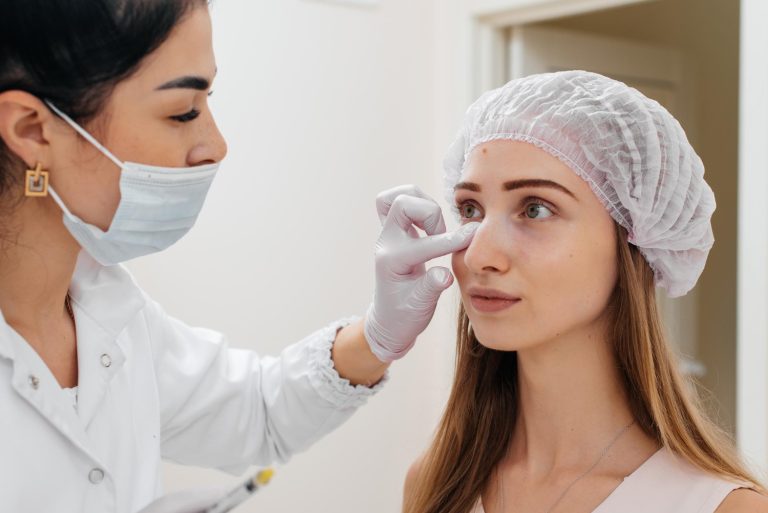
A board-certified plastic surgeon will assess your nose reshaping Dubai, review your goals, and utilize imaging technology to simulate potential outcomes. It’s important to choose a surgeon who specializes in rhinoplasty, as not all plastic surgeons have extensive experience with this procedure.
You can start by looking for a surgeon who is a member of The Rhinoplasty Society. Membership in the Rhinoplasty Society indicates that the surgeon is board-certified and specializes in rhinoplasty. These members are committed to exchanging knowledge and following best practices in best rhinoplasty in Dubai, a surgical procedure focused on both the aesthetic and reconstructive aspects of the nose.
2. Surgical Techniques
Rhinoplasty is performed under general anesthesia and usually lasts between 1.5 and 3 hours. The procedure can be done using two main techniques:
- Open Rhinoplasty: A small incision is made on the columella (the tissue strip between the nostrils), providing enhanced visibility and precision.
- Closed Rhinoplasty: All incisions are made inside the nostrils, leaving no external scars and often shortening recovery time.
During the surgery, the best rhinoplasty surgeon in Dubai reshapes the nasal bones and cartilage, removes or adds tissue as needed, and refines the overall structure before closing the incisions.
Recovery Timeline
- First Week: Swelling and bruising are at their highest. A splint is worn to support and protect the nose tip plasty in Dubai.
- 2–3 Weeks: The majority of swelling and bruising diminishes, and most patients can resume work.
- 1–3 Months: Breathing function improves, and swelling continues to gradually decrease.
- 6–12 Months: Final results become fully apparent as any remaining swelling completely resolves.
Risks and Potential Complications
Like any surgical procedure, laser rhinoplasty comes with certain risks, such as:
- Infection
- Nosebleeds
- Breathing difficulties
- Unsatisfactory results, which may necessitate revision surgery
- Scarring (rare with closed rhinoplasty)
Selecting a skilled and experienced surgeon helps minimize these potential complications.
What Results Can You Expect?
The ultimate results of Dubai rhinoplasty depend on factors such as:
- The expertise of your surgeon
- Your individual nasal structure and healing process
- How closely you follow post-operative care instructions
After a Nose Reduction in Dubai, it’s normal for early swelling to temporarily affect the appearance of your nose. Patience is key, as the final shape gradually develops over time, revealing the refined contours and balanced profile achieved through the procedure.
Final Thoughts
Rhinoplasty can change your life by making your nose reduction look better and work better. For the best results, though, it’s important to keep your goals realistic, pick a skilled surgeon, and do everything they say about how to care for yourself after surgery.
If you want to know more about your choices for rhinoplasty, make an appointment to see Dr. Tarek Bayazid.
FAQs
Will rhinoplasty affect my breathing?
If performed correctly, rhinoplasty can improve both appearance and nasal function. Functional rhinoplasty addresses structural issues like a deviated septum or nasal valve collapse, improving airflow. Cosmetic rhinoplasty, when done by a skilled surgeon, should not compromise breathing. Pre-surgery evaluation ensures both aesthetics and function are balanced.
Is rhinoplasty painful?
Most patients experience mild to moderate discomfort, particularly in the first few days after surgery. Swelling, bruising, and nasal congestion are common but manageable with prescribed pain medication. By the end of the first week, most patients report significant relief, and normal activities can usually resume within 2–3 weeks.
Can rhinoplasty be combined with other facial procedures?
Yes, rhinoplasty can be combined with procedures like chin augmentation or facial contouring to achieve better facial balance and proportion. Surgeons often recommend combined procedures when they enhance overall facial harmony. A consultation is essential to determine the safest and most effective combination.
How do I prepare for rhinoplasty surgery?
Preparation includes a thorough medical evaluation, adjusting current medications, quitting smoking, and arranging for post-operative care at home. Patients should follow all instructions from their surgeon, such as fasting before anesthesia and avoiding certain supplements or medications that may increase bleeding risk. Proper preparation helps ensure a safe procedure and smooth recovery.