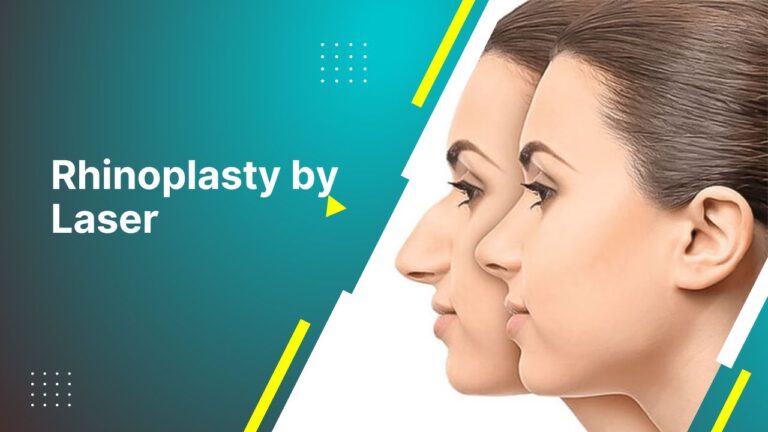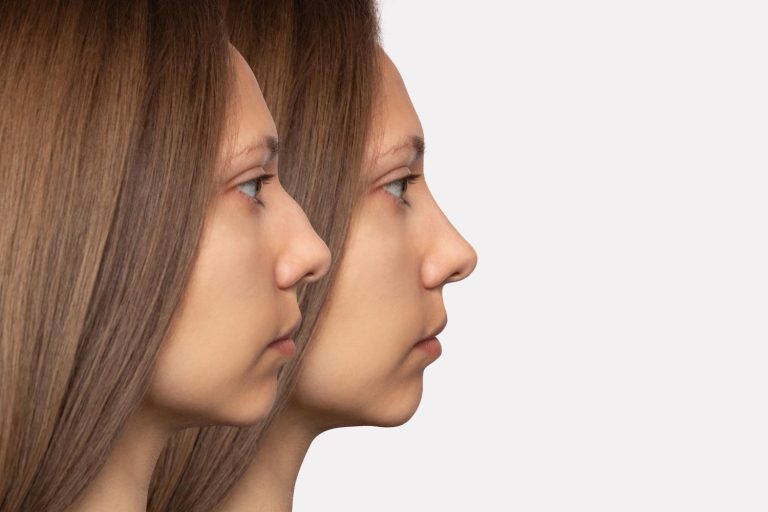
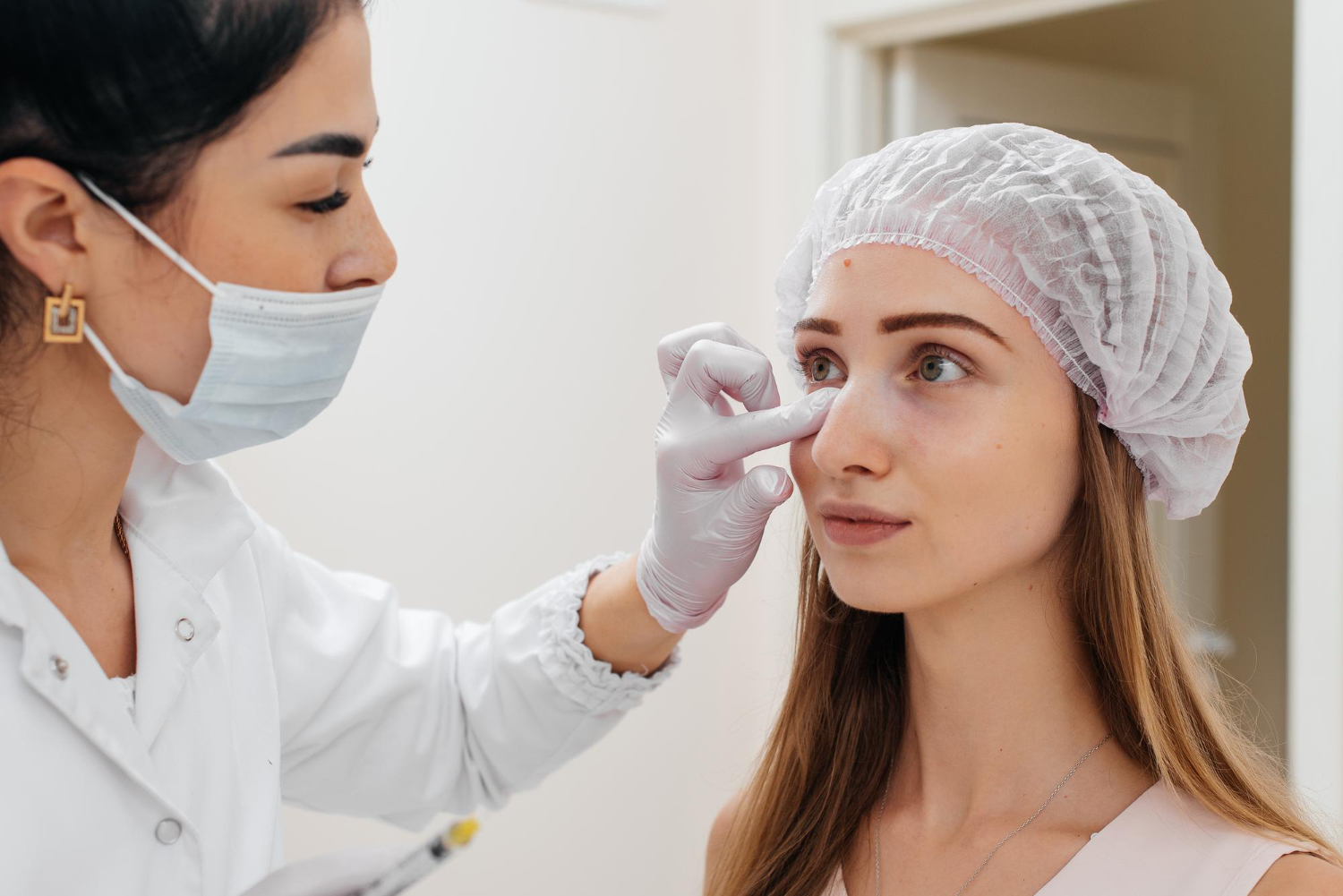
If you’re dissatisfied with the size or shape of your nose, or if you’re having trouble breathing clearly, you may be a good candidate for rhinoplasty. Also known as a nose job, rhinoplasty is a surgical procedure designed to modify the shape or function of the nose. It is one of the most commonly performed cosmetic surgeries in the country. The results of nose reshaping Dubai can be influenced by several factors, including aging, injuries, genetics, hormones, and certain medical conditions.
What Does Rhinoplasty Do?
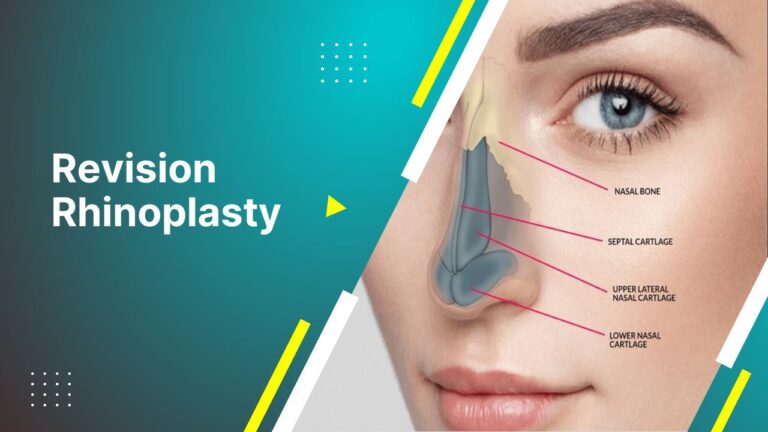
The nose is composed of bone and cartilage. Rhinoplasty in Dubai involves reshaping the skin, bone, and cartilage of the nose to achieve the desired results. Common concerns that rhinoplasty can address include:
- Reducing the overall size of the nose
- Adjusting the width, either widening or narrowing
- Correcting crookedness
- Refining the shape of the tip
- Removing bumps or dents on the bridge
- Repositioning the nostrils
- Altering the size and shape of the nostrils
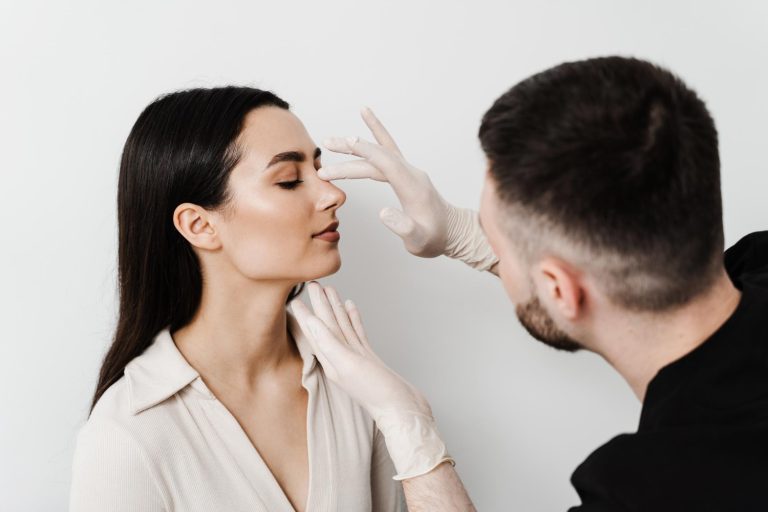
Because rhinoplasty is a complex procedure, consultations are essential so the surgeon can carefully plan the surgery. During a consultation, patients can expect to discuss both cosmetic and functional concerns, review their medical history, have multiple photos taken, and undergo a physical examination of the nose and surrounding facial structures. This allows the surgeon to determine the techniques and specifications needed to achieve the desired outcome. Additional diagnostics, such as lab work, may also be required to confirm suitability for the procedure. For nose reduction procedures, patients are provided with detailed preoperative instructions to help them prepare for surgery, along with clear postoperative guidelines to protect their results and support proper healing afterward.
Rhinoplasty Risks
Rhinoplasty Dubai is a surgical procedure and, like any surgery, carries certain risks, although the likelihood of these complications is low. These risks may include:
Book A Consultation With Dr Tarek Bayazid
Top-rated Plastic Surgeon For Rhinoplasty in Dubai


Installment Plan Available
- Bleeding
- Adverse reactions to medications or anesthesia
- Infection
- Loss of sensitivity in the nose
- Pain
- Swelling
- Inflammation
- Discoloration
- Bruising
- Scarring
- Nerve damage
- Perforation of the septum
With any surgical procedure, there is a small risk of an unsatisfactory outcome, such as asymmetry or other complications, which may necessitate revision surgery to achieve the desired results.
What to Expect for Rhinoplasty?
Best Rhinoplasty Dubai is often performed on an outpatient basis, meaning there is no need for an overnight hospital stay. However, patients who require a more extensive procedure may be scheduled for inpatient surgery. Outpatient rhinoplasty typically involves a brief period of medical observation before being discharged to go home. Patients undergoing outpatient surgery must have someone accompany them to and from the clinic and drive them home afterward.
There are several surgical techniques that a surgeon can use to enhance the shape and structure of the nose. Before the procedure begins, anesthesia is administered to ensure the patient does not feel pain or discomfort during surgery. The surgeon will determine the appropriate type of sedation or anesthesia and discuss these options with the patient beforehand.
Depending on the complexity of the procedure, the surgeon will make small incisions, either externally or inside the nostrils, to access the bone and cartilage. This allows the surgeon to perform a tip plasty in Dubai or adjust other areas of the bone and cartilage to achieve the desired outcome.
After best rhinoplasty in Dubai, patients typically wear bandages both inside and outside the nose for about a week and should follow several precautions until cleared by their surgeon.
- Sleep with the head elevated to reduce bruising and protect the nose and face. Many patients find it easier to sleep with extra pillows or in a recliner chair. Some discomfort, including pain in the nose and surrounding areas or around the eyes, is normal for several days to a few weeks. Mild swelling may also occur. These symptoms are usually manageable with proper hydration and prescribed pain medication and gradually improve over several months.
- After nose reshaping Dubai procedures, mild nasal bleeding and congestion are common, especially during the first few days following surgery and right after the dressings are removed. To help manage blood and mucus, patients may be advised to use a drip pad or gauze dressing placed under the nose. The surgeon will provide clear instructions on how often to change it and when it is no longer necessary. Patients should also avoid showering until the nasal dressings have been safely removed to support proper healing.
- Strenuous activity should be avoided for the first two months to prevent disrupting the healing nose and ensure optimal results. While some swelling may persist during recovery, the nose’s final shape typically becomes fully apparent around one year after nose surgery.
- Patients should refrain from blowing their nose to protect sensitive skin, cartilage, and bone. Simple facial movements, like smiling or laughing, may cause discomfort, so moderation is recommended.
- Avoid clothing or accessories that must be pulled over the head. Even minor bumps or pressure can negatively affect results. Patients should also avoid wearing eyeglasses or placing weight on the nose to prevent indentations or bruising.
- After a nose reduction Dubai, maintaining a healthy diet and drinking plenty of water, along with increasing fiber intake, can help prevent constipation and may also reduce swelling. During the recovery period, patients will have multiple follow-up appointments with their surgeon to monitor healing and ensure that the desired results are achieved safely and effectively.
Don’t forget that rhinoplasty is an individual procedure. Individual results may differ. It takes longer for some people to fully recover and see the full effects of their nose job Dubai. People often feel insecure and unhappy with their looks as they get older because their noses change shape over time. A Dubai rhinoplasty is a common way to make someone happy with the way their face looks again.
Contact us right away to set up an appointment and learn more about the best rhinoplasty surgeon in Dubai.
FAQs
Who is a good candidate for rhinoplasty in Dubai?
Candidates are typically healthy individuals dissatisfied with the size, shape, or function of their nose, including those with breathing difficulties or congenital deformities.
What types of rhinoplasty are available?
Rhinoplasty can be cosmetic (to enhance appearance), functional (to improve breathing), or a combination of both, depending on the patient’s needs.
How long is the recovery period after rhinoplasty?
Recovery varies, but most patients return to normal activities within 1–2 weeks. Full results typically take up to a year as swelling completely subsides.
Are there risks associated with rhinoplasty?
As with any surgery, risks include bleeding, infection, swelling, bruising, or unsatisfactory results. Choosing a skilled, board-certified surgeon minimizes these risks.