A Versatile & Natural Way to Enhance Your Body Shape
It can seem like we’ve tried everything to get rid of stubborn fat, whether it’s on our thighs, buttocks, tummy, or flanks (also known as love handles). Fad diets that leave us feeling hungry all the time, or demanding exercise plans that are meant to improve certain parts of our bodies while decreasing fat in others (booty exercises, anyone?). Fat transfer in Dubai offers a natural way to restore volume using your own fat for smoother, more youthful contours. Attempting to alter your body composition is really taxing. However, what if we told you that you could improve your body shape in a variety of natural ways without taking drastic measures? We’ll go over all you need to know about fat transfer, commonly referred to as fat grafting or lipofilling, in this comprehensive tutorial.
What Is The Fat Transfer Treatment?
A minimally invasive cosmetic procedure called fat transfer involves taking fat from one part of the body that may have too much of it and injecting it into another part to enhance its volume, shape, and contours. Fat transfer can help you look younger if you’ve lost fat as a result of aging, significant weight loss, or prior liposuction. The best fat transfer surgeon in Dubai focuses on precision, safety, and natural-looking enhancement tailored to your unique features. Fat grafting can be applied to other parts of the body, such as your hands, breasts, and buttocks, but it is most frequently used on the face to restore a patient’s natural facial volume. Fat grafting Dubai procedures help reshape and rejuvenate areas of the face or body using purified fat for long-lasting results.
How Does The Fat Transfer Treatment Work?
- You Will Receive Anesthesia: Both local and general anesthesia medications are provided for your comfort. Localized anesthesia is an excellent choice if the fat transfer procedure is being performed on a small location, like your hands or face; general anesthesia is appropriate for larger areas.
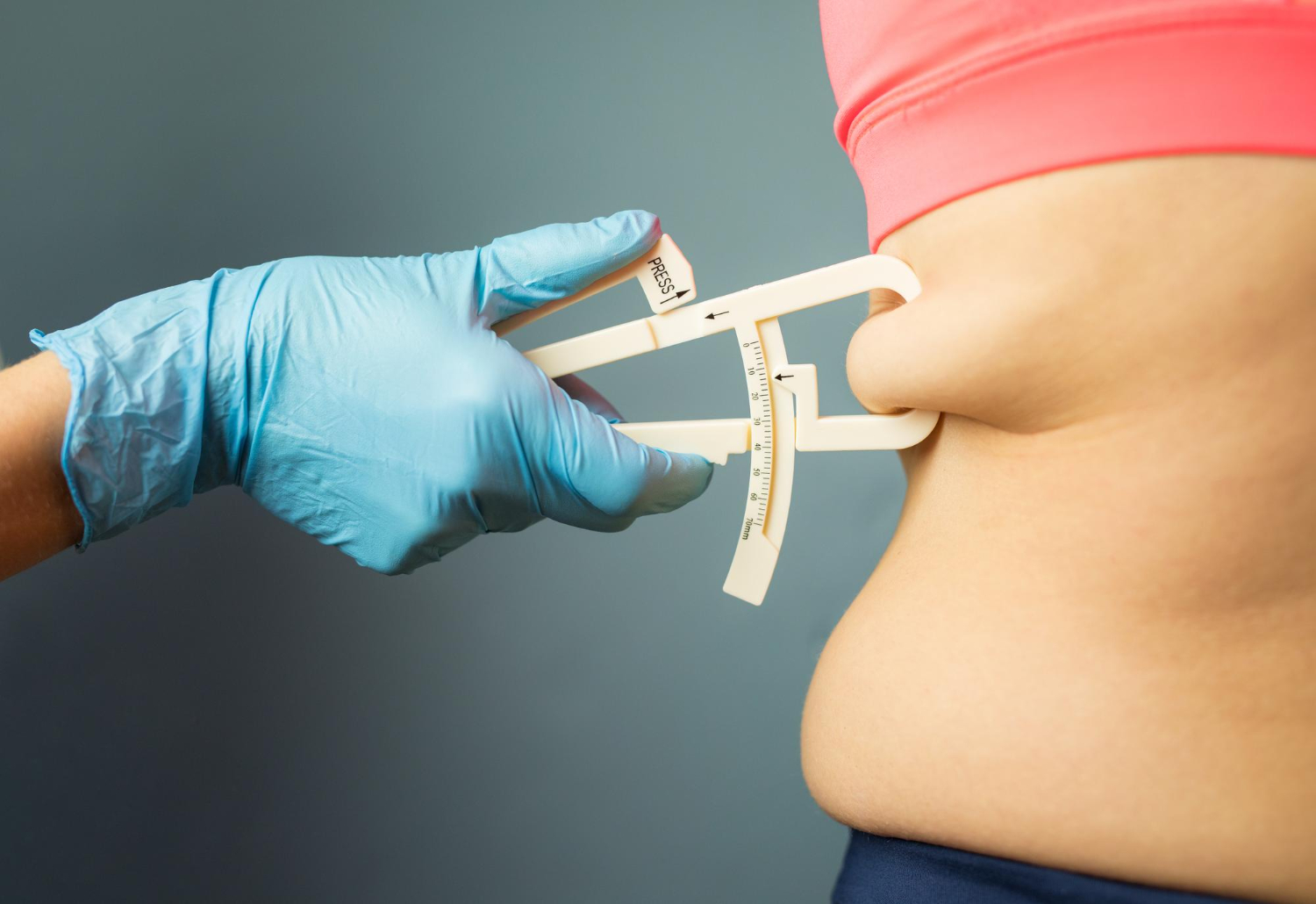
- Harvesting Excess Fat: The next step is to remove any localized fat deposits that you don’t like. Either manual or power-assisted liposuction (PAL) is used to remove this fat. These forms of liposuction are employed since thermal-based liposuction, such as laser-assisted liposuction, is ineffective for fat transfer treatments because the fat cells liquefy and become unusable during the injection phase. Instead, a softer liposuction is needed since we want as many fat cells to stay alive as possible. The thighs, hips, knees, upper arms, abdomen, and bottom of the chin are the most often fat-removed locations during the harvesting stage.
- Then It’s Processed: It is processed by putting the eliminated fat cells in a sterile centrifuge. This enables us to filter, purify, and separate the fat from the blood and other contaminants. Fat transfer Dubai treatments provide a minimally invasive option to add subtle volume and improve overall balance and symmetry. The fat is put into specialized syringes for the injection procedure once it is at its purest.
- Then It’s Injected: a tiny needle, called a cannula, is used to carefully inject the fat into the desired location. Before the fat cells are seamlessly built into a grid of grafted fat, the fatty tissue is meticulously threaded within the planes of the original tissue. The outcome is a natural increase in volume when done this way. More fat than is required is injected to guarantee that you get the intended result because not all grafted fat survives the therapy process.
- Closure: Absorbent pads will be used to protect the sites of your incisions, and any bigger incisions formed during the fat transfer procedure will be sutured shut. You will notice an improvement in the shape of your body as the swelling and fluid retention go down.
What Are The Benefits Of The Fat Transfer Treatment?
After discussing the fat transfer treatment’s operation, let’s examine some of its advantages:
- There is little to no scarring because fat transfer is less invasive.
- Recovery should be easy and quite quick, and there is very little downtime. Simple post-operative instructions and medication are included in the hassle-free post-operative procedure.
- Since fat transfers use your own fat cells, there is no chance of allergic responses or rejection.
- The process of healing is not difficult. As long as the transplanted living fat tissue takes root and endures, it will flourish naturally in the improved location without the need for drugs.
- Your face, breasts, hands, hips, buttocks, lips, pectoral muscles, deep-seated wrinkles or scarring, and calf/bicep enhancements are just a few of the body parts where the fat transfer might improve shapes.
- As natural-looking as possible is the intended result. No need for gel or synthetic fillers.
- Liposuction is a proven, secure, and efficient procedure. It is possible to combine the fat transfer technique with other cosmetic operations.
- By removing fat from regions you don’t want and adding volume and plumpness to parts you do want, you can solve two issues with a single surgery. Facial rejuvenation with fat transfer in Dubai smooths wrinkles, enhances contours, and delivers long-lasting, natural enhancement.
How Effective Is The Treatment Process?
Because 75–80% of the fat that is grafted into the improved area will survive and take hold, the fat transfer procedure is very effective. The body will absorb and metabolize the remaining 20–25% in a safe and natural way. Although you should see an improvement right away following surgery, it will take six to twelve months to see the full effects. Facial fat transfer in Dubai helps soften fine lines, replenish hollow areas, and create a refreshed, youthful appearance.
Book A Consultation With Dr Tarek Bayazid
Top-rated Plastic Surgeon For Nanno Fat Graft in Dubai


Installment Plan Available
What Is The Recovery Time For Fat Transfer Treatments?
You should be able to return home the same day, two to four hours after the fat transfer surgery is finished. The treatment regions will be covered with compression garments, bandages, or pads to help reduce swelling and fluid retention. Fat grafting in Dubai is an effective cosmetic solution that uses your own fat to enhance volume with safe, natural results. Recovery times vary according to where the treated regions are located, but they typically take one to two weeks. Anticipate mild discomfort, mild bruising, and swelling in the initial days following the surgery. For the next two to three weeks, you should avoid strenuous exercise, and for at least four to six weeks, you should avoid applying pressure to the areas where fat is being transferred.
How Long Does The Fat Transfer Treatment Last For?
The effects of your fat transfer therapy should continue for years if you maintain a good diet, get regular exercise, and take care of yourself. It’s crucial to keep expectations reasonable and realize that the act of fat transfer does not stop any leftover adipose tissue from growing. Fat transfer to hands Dubai improves hand volume, reduces visible veins, and creates a more youthful hand appearance. This implies that gaining or losing weight may affect your outcomes. Furthermore, the newly supplied fat tissue may eventually be absorbed or dispersed by your body, necessitating further fat transfer treatments. Fat grafting to face Dubai adds natural fullness, improving facial harmony and reducing signs of aging. Please get in touch with Dr. Tarek Aesthetics right now to arrange a consultation if you’re interested in fat transfer treatment and would like more information about how fat transfer can help you naturally improve your body shape. We look forward to assisting you in reaching your aesthetic objectives and will be pleased to address any queries you may have!
FAQs
Which areas can be treated with fat transfer in Dubai?
Fat transfer is a highly versatile procedure that can address multiple areas of the body. On the face, it can restore volume to cheeks, under-eye hollows, and nasolabial folds, giving a rejuvenated and youthful appearance. In the breasts, fat transfer can enhance size and improve shape naturally, without implants. The buttocks can also benefit from fat grafting, creating a fuller, more lifted appearance often referred to as a “Brazilian Butt Lift.” Additionally, fat transfer can be used on the hands to restore youthful volume, smooth wrinkles, and improve skin texture. Fat transfer to hands in Dubai reduces visible veins and wrinkles and rejuvenates the hands with natural, long-lasting results using your own fat. Essentially, any area with volume loss or contour irregularities can be treated, making this procedure highly adaptable to individual aesthetic needs.
Is fat transfer a safe procedure?
Fat transfer is generally considered very safe, primarily because it uses the patient’s own fat rather than synthetic fillers or implants. The use of autologous fat reduces the risk of allergic reactions or rejection, which makes it a preferred option for many patients. Safety, however, largely depends on the expertise of the surgeon and the sterility of the procedure. When performed by a qualified and experienced surgeon, fat transfer has minimal risks, and complications are rare. Patients should always choose a licensed clinic that follows strict safety protocols to ensure the best outcomes.
How long do fat transfer results last?
One of the benefits of fat transfer is its long-lasting results. While not all of the injected fat survives permanently, a significant portion typically integrates into the surrounding tissue and becomes a permanent part of the treated area. The longevity of the results can vary depending on factors such as the patient’s metabolism, lifestyle, and weight fluctuations. Maintaining a stable weight and following post-procedure care instructions can help prolong the results, ensuring that enhancements remain natural-looking for many years.
What is the recovery time after fat transfer?
Recovery from fat transfer is usually straightforward, but it can vary depending on the size and location of the treated areas. Most patients can return to their normal daily activities within a few days, although mild swelling, bruising, and tenderness are common and may persist for one to two weeks. It is important to follow post-operative instructions, including avoiding strenuous activities and wearing compression garments if advised, to ensure optimal fat survival and proper healing. Regular follow-ups with your surgeon will help monitor your progress and address any concerns during the recovery period.