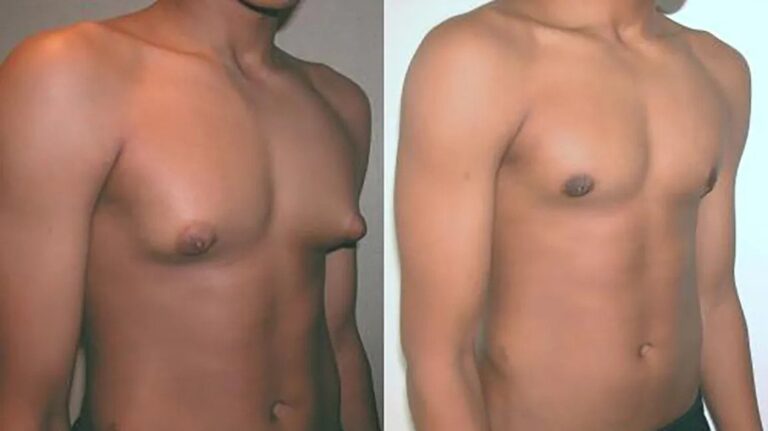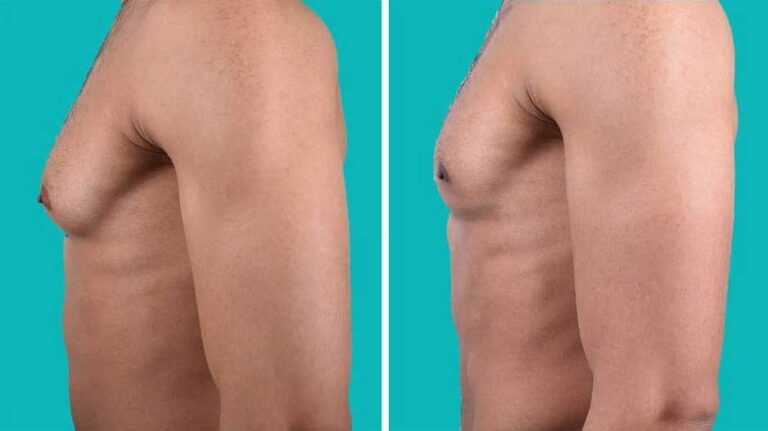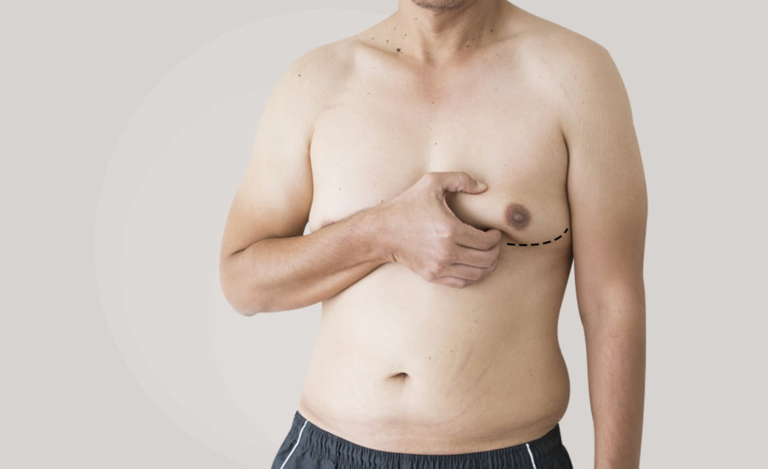

Synopsis
Gynecomastia in Dubai develops in four unique stages, with each stage demanding a specific approach for assessment and treatment. Being aware of these stages allows men to determine when simple lifestyle adjustments might be enough and when professional surgical intervention is required. At Dr. Tarek Aesthetics in Dubai, our board-certified surgeons provide specialized stage-focused gynecomastia treatments, aiming to enhance both physical appearance and emotional well-being.
Key Takeaways
- The four steps of gynecomastia, called Grades I–IV, get worse over time.
- In the early stages, liposuction or small cuts may help.
- During the later stages, tissue removal, skin excision, or shifting of the nipple are common procedures.
- Hormones, medications, changes in weight, and health problems can all affect progression.
- If gynecomastia gets in the way of daily life or your confidence, surgery is usually the best option.
The stages of gynecomastia in Dubai indicate not only the severity of male breast enlargement but also the most appropriate treatment approach for each individual. This progressive condition affects men differently—some may move quickly through multiple stages, while others remain stable for years. Being aware of your current stage and understanding how the condition typically progresses can help you make informed decisions regarding treatment timing and surgical options.
At Dr. Tarek Aesthetics in Dubai, we assist men in identifying their gynecomastia stage and determining the optimal timing for treatment based on their unique situation. Our board-certified plastic surgeon, the best gynecomastia surgeon in Dubai has extensive experience managing all stages of male breast enlargement, from minimal tissue development to advanced cases that require major surgical intervention. Understanding your stage is crucial for designing a treatment plan that addresses both physical appearance and emotional well-being.
Patients often ask whether gynecomastia will worsen over time, when surgery becomes necessary, and which factors influence its progression. We review each stage in detail, outline common progression patterns, and provide clear guidance on surgical timing, informed by both medical evidence and our extensive clinical experience with numerous patients.
Book A Consultation With Dr Tarek Bayazid
Top-rated Plastic Surgeon For Gynecomastia in Dubai


Installment Plan Available
The Medical Classification System for Gynecomastia
Medical experts classify gynecomastia using a four-grade system that considers tissue volume, excess skin, and the overall appearance of the chest. This standardized classification allows surgeons to recommend the most suitable treatments and anticipate surgical outcomes with greater accuracy.
For Male Breast Reduction Surgery in Dubai, your gynecomastia grade plays a crucial role in determining the most suitable treatment approach, anticipated results, recovery timeline, and long-term satisfaction. A personalized evaluation ensures that the procedure is tailored to your unique anatomy and goals for optimal outcomes. Each grade comes with unique challenges that call for specific surgical techniques and tailored approaches
| Stage | Tissue Distribution | Skin Condition | Typical Treatment |
| Grade I | Localized around the nipple | Excellent elasticity | Liposuction or minor excision |
| Grade II | Extends beyond the areola | Good elasticity | Combination approach |
| Grade III | Significant breast-like appearance | Mild to moderate excess | Tissue + skin removal |
| Grade IV | Extensive female-like development | Significant excess skin | Complex reconstruction |
Grade I Gynecomastia: Early Development
Grade I represents the mildest form of gynecomastia, characterized by small amounts of firm tissue localized around the nipple and areola. Men usually retain good skin elasticity and may notice the enlargement only during direct examination or under certain lighting conditions.
This stage often develops during adolescence, when hormonal changes trigger the initial growth of breast tissue. The tissue feels firm beneath the nipple but remains confined to the areolar area. Most men can easily conceal Grade I gynecomastia with regular clothing, although fitted shirts may reveal a slight protrusion.
Treatment Focus: Grade I gynecomastia typically responds well to liposuction alone or minimal tissue excision through small incisions. The limited tissue involvement and preserved skin quality allow for favorable results with minimal scarring and faster recovery.
Grade II Gynecomastia: Moderate Progression
Grade II gynecomastia is characterized by moderate enlargement that extends beyond the areolar region into the wider chest area. Men usually notice a more prominent protrusion, which becomes visible in fitted clothing and from side-profile views.
The tissue feels firm over a larger portion of the chest, creating increasingly feminine contours that are more difficult to conceal. Skin quality generally remains good, although some men may experience slight looseness compared to Grade I.
Psychological Impact: At this stage, men often feel heightened self-consciousness and may start avoiding activities that require shirt removal or the use of tight-fitting athletic wear.
Treatment Approach: For Male Breast Reduction Dubai, Grade II gynecomastia often requires a combined approach using both liposuction and surgical excision of glandular tissue. The exact technique is determined by the amount of tissue present and the patient’s desired chest contour, ensuring a natural, masculine, and long-lasting result.
Grade III Gynecomastia: Advanced Enlargement
Grade III gynecomastia is marked by significant breast enlargement accompanied by noticeable excess skin. Men at this stage often experience considerable psychological distress, as the chest takes on a distinctly feminine appearance, affecting clothing choices, physical activities, and social interactions.
The breast tissue extends well beyond the nipple area, forming contours similar to female breast development. Skin quality declines due to stretching, and patients may notice stretch marks or changes in texture. The nipple and areola are often enlarged or positioned lower than usual.
Development Patterns: Grade III commonly develops following weight fluctuations, hormonal changes, or years of untreated earlier stages.
Treatment Requirements: For Man Boobs Surgery in Dubai, more extensive cases often require surgical intervention that involves removing excess tissue and skin. In some instances, nipple repositioning may also be necessary to achieve a natural, masculine chest contour and ensure balanced, long-lasting results.
Grade IV Gynecomastia: Severe Development
Grade IV gynecomastia represents the most severe form, characterized by substantial breast enlargement and significant excess skin, closely resembling female breast development. Men at this stage often experience profound psychological distress, which can severely affect quality of life and personal relationships.
Physical discomfort is common due to the weight and size of the tissue, leading to back and neck pain as well as skin irritation. The condition becomes difficult, if not impossible, to conceal and can interfere with daily activities and physical comfort.
Treatment Complexity: Grade IV typically requires the most extensive surgical intervention, often involving staged procedures that include significant tissue removal, skin excision, and nipple repositioning to achieve optimal, masculine chest contours.
How Medical Professionals Determine Your Gynecomastia Stage
Accurate staging of gynecomastia requires evaluation by a qualified gynecomastia surgeon in Dubai, who examines tissue type, distribution, skin quality, and overall chest anatomy. At our Dubai clinic, we perform a comprehensive assessment to determine your exact gynecomastia stage and recommend the most effective treatment approach. While the differences between mild and severe cases are often apparent, precise staging relies on medical expertise to guide treatment decisions safely and effectively.
Clinical Assessment Process
During your evaluation at Dr. Tarek Aesthetics, we carefully examine several critical factors:
Tissue Analysis: We differentiate between true gynecomastia (glandular tissue) and pseudogynecomastia (fat deposits) through a thorough physical assessment. True breast tissue typically feels firm or rubbery, whereas fat is softer and more diffuse.
Skin Quality Evaluation: We assess skin elasticity and any excess to determine the extent of surgical intervention required. Good elasticity usually means minimal skin removal is necessary, while reduced elasticity may indicate the need for more comprehensive procedures.
Anatomical Assessment: We evaluate nipple position, areola size, and overall chest proportions to plan the most appropriate surgical approach and predict optimal outcomes.
Medical History Review
We also review contributing factors such as medications, underlying medical conditions, lifestyle habits, and family history. Understanding these elements helps us assess the likelihood of gynecomastia progression and informs our recommendations regarding the optimal timing for treatment.
Why Self-Assessment Falls Short
Self-assessment has notable limitations, as factors like body weight, muscle development, posture, and variations in chest anatomy can affect perception. A professional evaluation, however, provides accurate staging, which directly guides treatment recommendations and helps predict the expected outcomes of your gynecomastia surgery Dubai.
Factors That Drive Gynecomastia Progression
With Man Boobs Treatment in Dubai, it’s important to understand that the progression of gynecomastia can vary significantly between individuals. Multiple factors influence how quickly the condition advances from one stage to the next. Being aware of these factors helps men make informed decisions about the timing and type of treatment, ensuring the best possible results and long-term satisfaction.
Age-Related Progression Patterns
Adolescent Cases: Most cases of pubertal gynecomastia stabilize or improve as hormone levels balance during the late teens. However, gynecomastia that persists beyond age 20 seldom resolves on its own and may gradually worsen over time.
Adult Hormonal Changes: Middle-aged and older men may experience progression due to natural declines in testosterone and increased conversion of hormones to estrogen within fat tissue. These changes can exacerbate existing mild cases or lead to the development of new gynecomastia.
Weight Changes and Their Impact
Weight Gain Effects: Gaining weight can increase estrogen production through fat tissue and make breast tissue more prominent. Fluctuations in weight can also affect skin elasticity, potentially progressing patients to higher gynecomastia stages that require more extensive surgical intervention.
Weight Loss Considerations: Losing weight may improve the appearance of pseudogynecomastia but can uncover previously hidden true breast tissue. Maintaining a stable weight helps prevent further progression and supports optimal surgical outcomes.
Medical and Medication Influences
Ongoing hormonal imbalances, medication effects, or underlying medical conditions can accelerate the progression of gynecomastia. Common contributing factors include:
- Heart medications that influence hormone balance
- Psychiatric medications with hormonal side effects
- Prostate treatments that impact testosterone levels
- Liver or thyroid conditions that disrupt normal hormone metabolism
When We Recommend Gynecomastia Surgery
Gynecomastia surgery is recommended when the condition noticeably affects your quality of life, persists beyond adolescence, or progresses to stages that cannot be managed with conservative measures. At Dr. Tarek Aesthetics, our treatment recommendations consider both physical and psychological factors, as well as social impacts, reflecting our holistic approach to patient care.
Medical Reasons We Suggest Surgery
Persistent Adult Cases: Gynecomastia that has remained stable for over a year in adults rarely resolves on its own and typically requires surgical intervention for meaningful improvement. At Dr. Tarek Aesthetics, our board-certified surgeon, Dr. Tarek Bayazid, evaluates each case individually to determine the most appropriate timing for surgery.
Progressive Development: We recommend gynecomastia surgery in Dubai when the condition continues to advance through stages, despite addressing underlying causes through a comprehensive medical evaluation.
Failed Conservative Management: If lifestyle changes, weight management, and medical therapies fail to produce significant improvement, surgical intervention is advised. Our thorough assessment identifies why conservative measures have been ineffective and informs our surgical recommendations.
Quality of Life Factors We Consider
Activity Limitations: We recommend gyno surgery Dubai when the condition prevents participation in swimming, sports, exercise, or social activities and significantly affects quality of life, regardless of stage. We recognize that the psychological impact often extends far beyond physical appearance.
Relationship Impact: We take into account concerns related to intimacy, social withdrawal, or professional limitations that may affect career advancement or personal relationships. Our compassionate approach addresses both the physical and emotional effects of gynecomastia.
Daily Life Restrictions: The need for constant clothing adjustments, special undergarments, or avoidance of certain clothing styles may indicate a substantial potential benefit from surgery. Our personalized gynecomastia treatment Dubai approach helps you regain confidence in all areas of daily life.
Surgical Approaches Based on Gynecomastia Stage
Our gynecomastia treatment strategies are tailored to each individual stage, with specialized techniques applied to achieve the best possible results. Understanding these stage-specific approaches allows you to set realistic expectations and prepare confidently for your surgical journey with us.
Our Early Stage Treatment Options
Our Grade I Procedures: For Grade I gynecomastia, we use minimally invasive techniques such as advanced liposuction or small-incision excision. These approaches preserve your natural chest anatomy while removing excess tissue through discreet incisions that heal with minimal scarring.
Our Grade II Management: For Grade II cases, we combine advanced liposuction with targeted tissue excision to address both fat and glandular tissue. This allows us to restore and maintain the masculine chest contours you desire while achieving smooth, natural-looking results.
Our Advanced Stage Surgical Requirements
Our Grade III Intervention: For Grade III gynecomastia, we employ more comprehensive surgical techniques, including tissue removal and skin excision, with nipple repositioning when necessary. While recovery may take longer, the results can be transformative, greatly improving both appearance and confidence.
Our Grade IV Reconstruction: Grade IV cases require the most extensive surgical approach, often involving staged procedures with significant tissue removal, skin excision, and nipple repositioning to achieve optimal aesthetic and functional outcomes. Our board-certified surgeons have extensive expertise in managing these complex cases, ensuring safe and effective results.
Dr.Tarek Bayazid’s Stage-Based Treatment Approach
We tailor every gynecomastia treatment plan to each patient, combining precise stage assessment with individual anatomy, personal goals, and lifestyle considerations. Led by board-certified plastic surgeon Dr. Tarek Bayazid, our systematic approach ensures the optimal timing and selection of techniques for your unique situation.
Our Evaluation Process
Every consultation at our Dubai clinic includes a comprehensive physical examination to determine your precise gynecomastia stage, assessing tissue type, skin quality, and chest anatomy. We also review your medical history, medications, and contributing factors to evaluate progression risk and treatment urgency.
Our thorough staging assessment directly guides treatment recommendations, expected outcomes, and recovery planning, all tailored to your individual needs and circumstances. At Dr. Tarek Aesthetics, we assess you as a whole person, not just your gynecomastia condition.
Our Customized Treatment Planning
Stage-Specific Techniques: We customize surgical approaches according to your exact gynecomastia stage, tissue composition, skin quality, and aesthetic goals. Our treatment options include:
- Advanced liposuction techniques for the removal of fatty tissue
- Precise tissue excision for glandular breast tissue
- Combination procedures addressing multiple tissue types
- Skin excision for advanced cases
- Nipple repositioning when anatomically required
Recovery Optimization: Our treatment plans are designed with your lifestyle, work schedule, and activity level in mind to minimize disruption while promoting optimal healing and results. We also offer advanced recovery-enhancing therapies and other wellness treatments to support faster and more comfortable recovery.
Our Patient Education and Support
We provide comprehensive information about your specific gynecomastia stage, available treatment options, realistic expectations, and anticipated recovery timeline. Our dedicated team is available throughout your journey to answer questions and offer the compassionate support that distinguishes our practice.
Understanding your current gynecomastia stage empowers you to make informed decisions regarding treatment timing and approach. Whether you are experiencing early development or advanced progression, a professional evaluation lays the foundation for an effective, personalized treatment plan.
When considering a Male Chest Implant in Dubai, it’s important to weigh the severity of your gynecomastia, the psychological impact, and your individual circumstances. Early intervention can prevent progression to more advanced stages that may require extensive surgery, while carefully timed treatment ensures you are fully prepared for the procedure and committed to achieving the best possible results.
Taking Action Based on Your Gynecomastia Stage
Dr. Tarek Bayazid assists men across Dubai in making informed decisions about gynecomastia staging and treatment, grounded in medical evidence and individual circumstances. Our board-certified surgeon’s extensive experience with all gynecomastia stages allows us to provide realistic guidance on expected outcomes and optimal timing for your unique situation. As a family-oriented practice, we support you like family throughout your entire journey.
Schedule Your Professional Stage Assessment
Ready to understand your gynecomastia stage and explore personalized treatment options? Contact Dr. Tarek Bayazid today to schedule your evaluation. During your consultation, we will accurately determine your stage, review the factors that contribute to gynecomastia progression, and help identify the most effective treatment approach and timing to achieve your goals.
We proudly serve patients throughout Dubai. Don’t let uncertainty about your gynecomastia stage prevent you from getting the care you deserve. Choose our skilled, dedicated, and compassionate team for your gynecomastia surgery in Dubai. We understand your condition and are committed to helping you restore both your appearance and confidence.
FAQs
How do I know which stage of gynecomastia I have?
Accurate staging requires evaluation by a qualified plastic surgeon. They assess tissue type, distribution, skin quality, and overall chest anatomy, along with medical history and contributing factors, to determine your exact stage and guide treatment decisions. Self-assessment can be misleading due to body weight, posture, and muscle development.
When should I consider gynecomastia surgery?
Surgery is recommended if gynecomastia persists beyond adolescence, affects your quality of life, limits physical activities, or progresses to stages that cannot be managed conservatively. Early intervention can prevent progression to higher stages requiring more extensive procedures.
What factors influence the progression of gynecomastia?
Progression varies per individual and can be influenced by hormones, medications, weight changes, lifestyle habits, and underlying health conditions. Adolescents may stabilize naturally, while adults may experience progression due to hormonal changes, weight gain, or chronic medical conditions.
What treatments are available for different gynecomastia stages?
Treatment is stage-specific:
- Grade I: Liposuction or minimal tissue excision
- Grade II: Combination of liposuction and tissue removal
- Grade III: More extensive surgery with tissue and skin excision, possible nipple repositioning
- Grade IV: Staged reconstruction with major tissue removal, skin excision, and nipple repositioning for optimal results